Whether you’re renovating a bathroom, upgrading your kitchen, or refreshing your outdoor entertaining area, understanding the newest design trends can help you make informed decisions that add long-term value to your Adelaide property. Tiling Adelaide continues to evolve as homeowners embrace modern aesthetics, practical materials, and innovative layouts that enhance both style and functionality. As we move into 2026, the latest tile trends balance timeless elegance with contemporary living, making it easier than ever to create stunning interiors and outdoor spaces.
Why 2026 Is an Exciting Year for Tile Design
Home design trends continue to prioritise comfort, sustainability, and individuality. Tiles are no longer viewed as mere protective surfaces—they have become statement pieces that define a home’s overall personality.
Advancements in manufacturing have introduced more realistic stone, timber, and concrete-look finishes while improving durability and ease of maintenance. This allows homeowners to enjoy a luxurious appearance without the maintenance requirements of natural materials.
In Adelaide, where homes range from heritage cottages to sleek contemporary builds, versatile tile designs provide endless opportunities to complement every architectural style.
Large-Format Tiles Continue to Dominate
One of the biggest trends in 2026 is the popularity of oversized tiles.
Large-format porcelain tiles create a clean, seamless appearance with fewer grout lines, making rooms appear larger and easier to maintain. They are particularly popular in:
● Open-plan living areas
● Modern kitchens
● Bathrooms
● Commercial spaces
● Outdoor entertaining areas
These tiles also contribute to a sophisticated minimalist aesthetic that remains highly desirable among Adelaide homeowners.
Nature-Inspired Colours and Textures
Natural tones remain at the forefront of interior design.
Warm earthy colours such as sand, clay, olive, charcoal, and soft greys help create relaxing environments while complementing a wide variety of furniture styles.
Tiling Adelaide professionals are also seeing increased demand for textured finishes that replicate:
● Natural limestone
● Travertine
● Marble
● Slate
● Timber grain
● Concrete
These realistic surfaces provide visual interest while maintaining the durability of porcelain or ceramic materials.
Sustainable Tile Choices Gain Popularity
Environmental awareness continues to influence renovation decisions throughout Australia.
Many homeowners are choosing tiles manufactured using environmentally responsible production methods. Recycled materials, energy-efficient manufacturing, and long-lasting products reduce environmental impact while providing exceptional durability.
Because tiles can last for decades with proper installation and maintenance, they are among the most sustainable flooring and wall solutions available.
Choosing quality materials also reduces the likelihood of premature replacement, saving both money and resources over time.
Bold Feature Walls Return
While minimalist interiors remain popular, 2026 also welcomes bold statement walls.
Feature tiling allows homeowners to introduce colour, texture, or intricate patterns without overwhelming an entire room.
Popular applications include:
● Bathroom shower walls
● Kitchen splashbacks
● Fireplace surrounds
● Entry hall feature walls
● Outdoor BBQ areas
Geometric patterns, handcrafted-look tiles, and textured surfaces help create visually striking focal points that instantly elevate a room.
Soft Curves and Organic Shapes
Straight lines are now being balanced with softer design elements.
Rounded edges, curved splashbacks, scalloped tiles, and flowing layouts introduce warmth and character into contemporary homes.
These organic designs pair beautifully with neutral colour palettes and natural materials like timber, stone, and brushed brass fittings.
The result is an inviting interior that feels modern without appearing overly clinical.
Outdoor Living Spaces Receive Greater Attention
Outdoor entertaining remains an important part of Adelaide living.
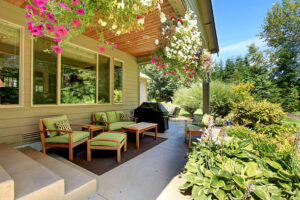
Homeowners are increasingly investing in stylish tiled patios, alfresco kitchens, pool surrounds, and garden entertaining areas.
Tiling Adelaide specialists often recommend porcelain pavers designed specifically for outdoor environments because they offer:
● Slip resistance
● UV resistance
● Moisture resistance
● Excellent durability
● Minimal maintenance
Coordinating indoor and outdoor tile selections also creates visual continuity, making homes feel larger and more connected.
Creative Tile Layouts Add Personality
Beyond choosing the right tile, layout patterns are becoming equally important.
Instead of traditional straight installations, many homeowners are opting for creative arrangements that offer greater visual appeal.
Popular installation patterns for 2026 include:
● Herringbone
● Chevron
● Vertical stacking
● Basket weave
● Offset brick pattern
● Modular layouts
Even simple neutral tiles can look dramatically different depending on the installation method.
Experienced tilers can recommend layouts that suit both the room dimensions and the desired design style.
Smart Technology Meets Modern Renovation
Digital planning tools have transformed the renovation process.
Many professional tilers now use advanced software that allows homeowners to preview tile combinations before installation begins. This reduces uncertainty while helping clients confidently select colours, textures, and layouts.
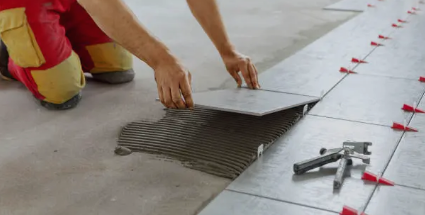
Laser levelling systems, improved adhesives, and precision cutting equipment also contribute to cleaner finishes and more accurate installations.
These technological improvements ensure today’s tiled surfaces remain attractive and durable for many years.
Choosing the Right Tiles for Adelaide Homes
Adelaide experiences warm summers, cooler winters, and varying moisture conditions depending on the room.
When selecting tiles, homeowners should consider:
● Intended room usage
● Slip resistance requirements
● Ease of cleaning
● Moisture exposure
● Durability
● Style compatibility
● Long-term maintenance
Porcelain remains one of the most versatile choices because it performs exceptionally well in kitchens, bathrooms, laundries, living spaces, and outdoor areas.
Working with experienced professionals ensures every tile selection matches both functional needs and aesthetic goals.
Conclusion
The latest tile trends for 2026 showcase a perfect combination of elegance, durability, sustainability, and creative design. From oversized porcelain tiles and earthy colour palettes to bold feature walls and seamless indoor-outdoor transitions, today’s options provide endless possibilities for transforming Adelaide homes.
Whether you’re planning a complete renovation or updating a single room, investing in quality materials and professional installation helps ensure beautiful results that stand the test of time. By staying informed about emerging trends and selecting designs that suit your lifestyle, you can create spaces that remain stylish, practical, and valuable for years to come.


 Glass is more than just a transparent barrier; it serves as a structural and visual component in homes and businesses alike. When glass breaks or cracks, it compromises security, energy efficiency, and the overall value of your property. A damaged window can let in drafts or moisture, while a shattered door panel can become a significant safety hazard.