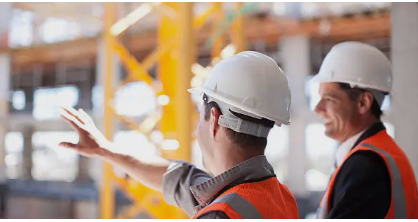
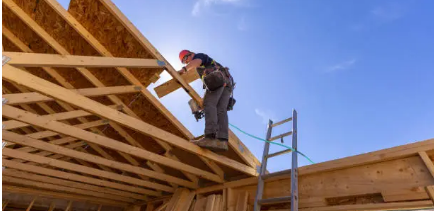
Building a new home is one of the most significant investments a person can make. Whether you are creating your first family home, upgrading to a larger property, or designing a custom residence, selecting the right home builder is essential. A leading home builder can help transform your vision into a high-quality home that suits your lifestyle, budget, and long-term goals.
With Adelaide continuing to attract families, professionals, and investors, demand for quality residential construction remains strong. However, not all builders offer the same level of expertise, craftsmanship, and customer service. Understanding the value of working with an experienced builder can help ensure a smoother building journey and a more satisfying outcome.
The Importance of Choosing the Right Builder
The builder you select will influence every aspect of your project, from the initial design stage to the final handover. A reputable home builder Adelaide understands local building regulations, environmental considerations, and the unique preferences of Adelaide homeowners.
Working with a builder that has a proven track record provides peace of mind throughout the construction process. They can offer practical recommendations, manage timelines effectively, and maintain high standards of workmanship. This level of professionalism helps reduce delays, avoid costly mistakes, and ensure the finished home meets expectations.
When comparing builders, it is important to look beyond pricing alone. Experience, transparency, communication, and customer satisfaction should all be considered when making your decision.
Benefits of Working with a Leading Home Builder
A leading home builder brings valuable expertise to every project. Their knowledge of modern construction methods, innovative materials, and current design trends can help homeowners achieve better results.
One key advantage is access to a skilled network of building design professionals, including architects, designers, engineers, and tradespeople. These professionals work together to ensure every stage of construction is completed efficiently and to a high standard.
Leading builders also understand the importance of quality control. They typically conduct thorough inspections throughout the building process to ensure compliance with industry standards and building codes. This attention to detail helps deliver a home that is safe, durable, and built to last.
Additionally, established builders often offer a wider range of design options, allowing homeowners to customise layouts, finishes, and features to suit their needs.
Understanding Adelaide’s Housing Market
Adelaide offers a diverse range of residential opportunities, from modern developments in emerging suburbs to luxury custom homes in established areas. A knowledgeable home builder Adelaide understands how local market conditions influence design preferences and construction requirements.
Many Adelaide homeowners are seeking energy-efficient homes that reduce environmental impact while lowering utility costs. Features such as solar panels, improved insulation, double-glazed windows, and sustainable building materials have become increasingly popular.
Builders who stay current with these trends can incorporate practical solutions that enhance comfort, efficiency, and long-term value. Their understanding of local conditions also helps ensure homes are designed to perform well in Adelaide’s climate.
Key Qualities to Look for in a Home Builder
Choosing a builder requires careful research and consideration. Several qualities can help identify a reliable and experienced construction partner.
Strong Industry Experience
Experience often reflects a builder’s ability to manage complex projects and overcome challenges effectively. Reviewing completed projects and client testimonials can provide insight into their capabilities.
Transparent Communication
Clear communication is essential throughout the building process. A builder should be willing to discuss timelines, costs, design options, and potential challenges openly and honestly.
Commitment to Quality
A leading home builder prioritises quality workmanship and uses reliable materials that enhance the home’s longevity. Their commitment to excellence is often evident in both completed projects and customer feedback.
Flexible Design Solutions
Every homeowner has unique requirements. Builders who offer flexible design options can create homes that align with individual lifestyles, preferences, and future needs.
The Value of Custom Home Building
Many Adelaide residents are choosing custom-built homes for greater personalisation and functionality. Unlike standard designs, custom homes allow homeowners to influence every aspect of the project.
A skilled home builder Adelaide can work closely with clients to develop floor plans that maximize available space, improve natural light, and accommodate specific lifestyle requirements.
Custom homes also provide opportunities to incorporate premium features, smart home technology, and energy-efficient systems from the outset. This level of customisation can significantly enhance comfort and long-term satisfaction.
Avoiding Common Building Mistakes
Building a home can be complex, and mistakes during planning or construction may lead to unnecessary costs and delays. Partnering with an experienced builder helps reduce these risks.
Professional builders conduct detailed planning before construction begins, ensuring budgets, timelines, and design requirements are clearly defined. They also coordinate contractors effectively and monitor progress throughout the project.
Homeowners should take time to review contracts carefully, ask questions, and maintain open communication with their builder. These steps help establish realistic expectations and contribute to a successful building experience.
Conclusion
Choosing the right home builder Adelaide is one of the most important decisions you’ll make when building a new home. A leading home builder offers the expertise, craftsmanship, and support needed to bring your vision to life while ensuring quality and value at every stage.
From understanding Adelaide’s evolving housing market to delivering customised solutions and superior workmanship, experienced builders play a critical role in achieving successful outcomes. By carefully evaluating your options and partnering with a trusted professional, you can enjoy a smoother building journey and create a home that meets your needs for years to come.