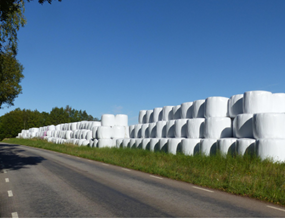
Silage Plastic’ Solar Reflectivity and Anti-UVA Protection for Inland Australia

silage plastic

Inland New South Wales and Queensland expose agricultural plastics to intense sunlight, high daytime temperatures and long periods of dry weather. For silage producers, these conditions can accelerate polyethylene film ageing if the material isn’t formulated for demanding outdoor exposure.

High-performance silage plastic can use a combination of solar-reflective pigments and advanced UV stabiliser packages to reduce heat absorption while slowing photo-oxidative degradation. Titanium dioxide (TiO₂) fillers can increase solar reflectance, while Hindered Amine Light Stabilisers (HALS) help interrupt the chemical reactions that progressively weaken polyethylene.

Why Solar Radiation Matters for Silage Plastic

Silage film remains exposed to sunlight for weeks or months while protecting valuable forage. UV radiation can trigger photo-oxidation in polyethylene, producing chemical changes that eventually contribute to cracking, embrittlement and loss of mechanical performance. Research on agricultural polyethylene films has shown that UV stabilisation can significantly improve property retention during outdoor exposure.

The challenge is greater in arid inland environments, where intense solar exposure combines with substantial daytime heat. A film that absorbs more solar energy can develop a hotter surface than a more reflective formulation, increasing thermal stress on the polymer.

This is why solar-reflective, high-performance silage plastic inland Australia is increasingly relevant for operations exposed to harsh seasonal conditions.

How Titanium Dioxide Helps Control Heat

Titanium dioxide is widely used as a white pigment because of its strong light-scattering properties. Research on TiO₂-filled HDPE shows that adding TiO₂ can substantially increase solar reflectance and improve cooling performance under solar exposure.

In a silage film formulation, the objective is not simply to make the plastic appear white. The pigment must be properly dispersed and selected as part of the complete polymer formulation.

A reflective outer layer can help reduce the amount of incoming solar energy the film absorbs. This can help limit excessive surface heating, particularly when silage is stored in open paddocks with little shade.

Why HALS Are Important

Protecting the Polymer From Photo-Oxidation

TiO₂ and other reflective components address the optical and thermal side of solar exposure, while HALS work through a different mechanism.

HALS do not primarily function by absorbing incoming UV radiation. Instead, they help intercept reactive free-radical processes associated with polymer photo-oxidation. Studies of agricultural polyethylene films have found that HALS can reduce chemical degradation and help retain elongation and surface integrity during weathering.

A properly designed high-performance silage plastic therefore benefits from treating solar protection as a system rather than relying on pigment alone.

Choosing Film for Inland NSW and Queensland

When comparing silage films for inland Australian conditions, consider:

● Solar reflectivity: Helps limit solar energy absorbed by the film.

● UV stabilisation: Look for a documented stabiliser package rather than a generic UV-resistant claim.

● HALS performance: Important for slowing photo-oxidative damage in polyethylene.

● Film construction: Multilayer or co-extruded structures can allow different layers to perform specific functions.

● Mechanical strength: Reflective and UV protection should not replace adequate puncture, tear and stretch performance.

● Weathering evidence: Ask suppliers for relevant accelerated-weathering or field-performance data.

Chemical exposure can also affect stabiliser performance. Research shows that some agricultural chemicals can accelerate degradation of unstabilised polyethylene, so stabiliser selection must account for the intended environment.

Conclusion

A high-performance silage plastic designed for inland Australia should address both heat and UV exposure. TiO₂-based reflective technology can reduce solar absorption, while HALS help slow the photo-oxidative reactions that damage polyethylene over time.

For producers in inland NSW and Queensland, ask film suppliers for technical information covering solar reflectance, UV stabilisation, polymer construction and weathering performance. Choosing a solar-reflective, high-performance silage plastic for inland Australia, grade-matched to local conditions, can provide a more technically appropriate barrier for exposed silage storage.

—

FAQs

1. What is high-performance silage plastic?

High-performance silage plastic is agricultural polyethylene film engineered with properties such as high stretch, puncture resistance, UV stability and suitable barrier performance.

2. How does titanium dioxide improve silage film?

TiO₂ can increase solar reflectance by scattering incident radiation, potentially reducing the polymer film’s solar heat absorption.

3. What do HALS do in silage plastic?

HALS help slow photo-oxidative degradation by interrupting free-radical reactions within the polymer.

4. Why is UV protection important in inland Australia?

Extended exposure to strong sunlight can accelerate polyethylene photo-oxidation, contributing to loss of flexibility, cracking and reduced mechanical performance.

5. Is reflective film suitable for all silage applications?

Not necessarily. Film selection should consider the storage method, local climate, required mechanical properties, UV exposure and the manufacturer’s technical specifications.
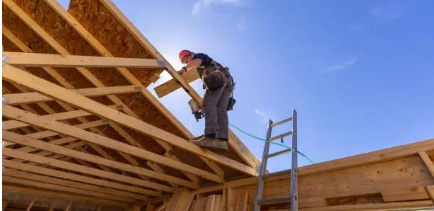
Home Builder Adelaide’ Why Choosing a Leading Home Builder in Adelaide Makes All the Difference for Your Dream Home

home builder Adelaide

Building a new home is one of the most significant investments a person can make. Whether you are creating your first family home, upgrading to a larger property, or designing a custom residence, selecting the right home builder is essential. A leading home builder can help transform your vision into a high-quality home that suits your lifestyle, budget, and long-term goals.

With Adelaide continuing to attract families, professionals, and investors, demand for quality residential construction remains strong. However, not all builders offer the same level of expertise, craftsmanship, and customer service. Understanding the value of working with an experienced builder can help ensure a smoother building journey and a more satisfying outcome.

The Importance of Choosing the Right Builder

The builder you select will influence every aspect of your project, from the initial design stage to the final handover. A reputable home builder Adelaide understands local building regulations, environmental considerations, and the unique preferences of Adelaide homeowners.

Working with a builder that has a proven track record provides peace of mind throughout the construction process. They can offer practical recommendations, manage timelines effectively, and maintain high standards of workmanship. This level of professionalism helps reduce delays, avoid costly mistakes, and ensure the finished home meets expectations.

When comparing builders, it is important to look beyond pricing alone. Experience, transparency, communication, and customer satisfaction should all be considered when making your decision.

Benefits of Working with a Leading Home Builder

A leading home builder brings valuable expertise to every project. Their knowledge of modern construction methods, innovative materials, and current design trends can help homeowners achieve better results.

One key advantage is access to a skilled network of building design professionals, including architects, designers, engineers, and tradespeople. These professionals work together to ensure every stage of construction is completed efficiently and to a high standard.

Leading builders also understand the importance of quality control. They typically conduct thorough inspections throughout the building process to ensure compliance with industry standards and building codes. This attention to detail helps deliver a home that is safe, durable, and built to last.

Additionally, established builders often offer a wider range of design options, allowing homeowners to customise layouts, finishes, and features to suit their needs.

Understanding Adelaide’s Housing Market

Adelaide offers a diverse range of residential opportunities, from modern developments in emerging suburbs to luxury custom homes in established areas. A knowledgeable home builder Adelaide understands how local market conditions influence design preferences and construction requirements.

Many Adelaide homeowners are seeking energy-efficient homes that reduce environmental impact while lowering utility costs. Features such as solar panels, improved insulation, double-glazed windows, and sustainable building materials have become increasingly popular.

Builders who stay current with these trends can incorporate practical solutions that enhance comfort, efficiency, and long-term value. Their understanding of local conditions also helps ensure homes are designed to perform well in Adelaide’s climate.

Key Qualities to Look for in a Home Builder

Choosing a builder requires careful research and consideration. Several qualities can help identify a reliable and experienced construction partner.

Strong Industry Experience

Experience often reflects a builder’s ability to manage complex projects and overcome challenges effectively. Reviewing completed projects and client testimonials can provide insight into their capabilities.

Transparent Communication

Clear communication is essential throughout the building process. A builder should be willing to discuss timelines, costs, design options, and potential challenges openly and honestly.

Commitment to Quality

A leading home builder prioritises quality workmanship and uses reliable materials that enhance the home’s longevity. Their commitment to excellence is often evident in both completed projects and customer feedback.

Flexible Design Solutions

Every homeowner has unique requirements. Builders who offer flexible design options can create homes that align with individual lifestyles, preferences, and future needs.

The Value of Custom Home Building

Many Adelaide residents are choosing custom-built homes for greater personalisation and functionality. Unlike standard designs, custom homes allow homeowners to influence every aspect of the project.

A skilled home builder Adelaide can work closely with clients to develop floor plans that maximize available space, improve natural light, and accommodate specific lifestyle requirements.

Custom homes also provide opportunities to incorporate premium features, smart home technology, and energy-efficient systems from the outset. This level of customisation can significantly enhance comfort and long-term satisfaction.

Avoiding Common Building Mistakes

Building a home can be complex, and mistakes during planning or construction may lead to unnecessary costs and delays. Partnering with an experienced builder helps reduce these risks.

Professional builders conduct detailed planning before construction begins, ensuring budgets, timelines, and design requirements are clearly defined. They also coordinate contractors effectively and monitor progress throughout the project.

Homeowners should take time to review contracts carefully, ask questions, and maintain open communication with their builder. These steps help establish realistic expectations and contribute to a successful building experience.

Conclusion

Choosing the right home builder Adelaide is one of the most important decisions you’ll make when building a new home. A leading home builder offers the expertise, craftsmanship, and support needed to bring your vision to life while ensuring quality and value at every stage.

From understanding Adelaide’s evolving housing market to delivering customised solutions and superior workmanship, experienced builders play a critical role in achieving successful outcomes. By carefully evaluating your options and partnering with a trusted professional, you can enjoy a smoother building journey and create a home that meets your needs for years to come.

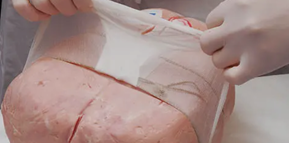
Stockinette Bags for Better Carcass Hygiene and Meat Quality

stockinette bags

Australian meat processors operate in demanding conditions where hygiene, handling efficiency and product presentation are critical. From large processing facilities to specialised butchers, protecting carcasses after processing helps maintain quality through storage, transport and further handling. Premium stockinette bags provide a practical layer of protection, supporting clean, controlled carcass handling and helping processors meet high standards across the Australian meat industry. When selected correctly, they can also support a more consistent workflow, particularly where carcasses need protection from abrasion, contamination risks, and unnecessary handling.

Why Carcass Protection Matters in Australian Processing

Once a carcass has been processed, careful handling remains essential. Exposure to dust, dirt, moisture, and physical contact can compromise hygiene and affect the product’s condition during subsequent stages of the supply chain.

Australian processors also work across a wide range of environments, from major metropolitan facilities to regional operations. This makes dependable packaging and handling materials important for maintaining consistent practices across locations.

Premium stockinette bags can provide a protective covering around meat products while allowing processors to handle and move carcasses more efficiently.

Key Benefits of Stockinette Carcass Bags

Protection During Handling

Carcasses may be moved several times between processing, chilling, storage and transport. A suitable stockinette covering can help reduce direct contact with surrounding surfaces and minimise the risk of scuffing or abrasion.

This added protection is particularly useful when products are handled repeatedly or transported between different areas of a facility.

Support for Hygiene Practices

Good hygiene depends on an effective combination of cleaning procedures, temperature control, employee practices and appropriate equipment. Packaging materials form another part of that overall system.

Premium stockinette bags can help create a controlled physical barrier around individual carcasses or meat portions, supporting established sanitation procedures rather than replacing them. Processors should select products suitable for their intended application and compatible with their food-handling protocols.

Improved Product Presentation

The appearance and condition of meat products matter throughout the supply chain. A clean, intact covering can help products arrive in better condition and present a more professional appearance to customers and downstream businesses.

For processors supplying wholesalers, retailers, restaurants or butchers, consistent presentation can reinforce confidence in product handling.

Choosing the Right Material for the Job

Different meat-processing applications can require different specifications. When comparing cotton meat wrap bags, processors should consider factors such as size, construction, fit, durability and intended handling conditions.

Useful selection considerations include:

● Correct sizing: A suitable fit helps prevent unnecessary movement around the carcass.

● Durable construction: The material should withstand normal handling without tearing or stretching easily.

● Consistent quality: Uniform manufacturing helps support reliable processing routines.

● Application suitability: The bag should be appropriate for the specific meat product and handling process.

● Supplier reliability: Consistent availability can be important for processors managing regular production schedules.

Practical Considerations for Australian Meat Processors

Australian meat businesses need packaging solutions that fit into established workflows rather than create additional complexity. Before purchasing, processors should assess how bags are applied, removed, stored and disposed of within their operation.

It is also worth considering the conditions in which products will be handled, including chilled environments, transportation requirements and the distance between processing and final delivery. Choosing the right specification from the outset can help reduce avoidable handling problems.

Maintain Quality From Processing to Delivery

Carcass hygiene is not limited to a single stage of production. Every handling step can influence the condition of meat before it reaches the customer. Premium stockinette bags can be a valuable component of a broader approach to hygienic, efficient and controlled meat handling.

For Australian processors, choosing dependable carcass protection can enhance product quality while complementing existing food safety procedures. Speak with a specialist supplier today to identify stockinette and cotton meat wrap bag options suited to your processing requirements.

—

FAQs

1. What are stockinette bags used for?

Stockinette bags cover and protect carcasses or meat products during handling, storage, and transportation.

2. How do stockinette bags support meat hygiene?

They can provide a physical covering that helps reduce direct contact with surrounding surfaces and supports established hygienic handling procedures.

3. Are cotton meat wrap bags suitable for Australian processors?

They can suit applications that require a breathable protective covering, provided the product specification matches the processor’s handling and food-safety requirements.

4. What should processors consider when choosing stockinette bags?

Important factors include size, material, durability, construction, application requirements and supplier consistency.

5. Can stockinette bags improve meat presentation?

A clean, properly fitted covering can help protect meat products from unnecessary handling and abrasion, supporting a more consistent presentation through the supply chain.

Baler Twine’ UV Stabilization for the Australian Summer

baler twine

Australian summers can put enormous pressure on agricultural materials left outdoors. Strong sunlight, high temperatures and prolonged exposure to ultraviolet (UV) radiation can gradually weaken ordinary baler twine, creating problems when hay or fodder is stored for extended periods. For producers in high-UV areas such as the Riverina and Central West NSW, choosing twine designed for outdoor conditions can help protect bale integrity.

Understanding UV stabilisation is particularly important when bales are stored in open sheds, yards or paddocks. The right baler twine should retain its strength throughout handling and storage rather than becoming brittle after repeated exposure to sunlight.

Why UV Radiation Matters for Baler Twine

Most agricultural baler twine is manufactured from synthetic polymers. Although these materials are durable, prolonged UV exposure can degrade them. Over time, this may lead to fading, brittleness, reduced tensile strength and eventual breakage.

Australian conditions can make this issue more significant. Fodder producers in inland regions may experience long periods of intense sunlight, particularly during summer. If bales remain exposed before transport or during outdoor storage, poorly protected twine can deteriorate faster than expected.

UV degradation does not necessarily happen immediately. The risk increases with cumulative exposure, so UV protection matters when bales must remain secure for months.

What Is UV-Stabilized Baler Twine?

UV-stabilized baler twine contains additives designed to slow the damaging effects of ultraviolet radiation. These stabilisers help protect the polymer from degradation, allowing the twine to maintain its mechanical properties for longer under outdoor conditions.

When comparing UV-stabilised baler twine from Australian suppliers, producers should look beyond the basic claim of UV resistance. Product specifications, recommended applications and intended storage conditions can help determine whether a particular twine is appropriate for the job.

Key Factors to Consider

Before purchasing twine for Australian haymaking conditions, consider:

● UV stabilisation: Check that the product is specifically designed for outdoor agricultural use.

● Tensile strength: Stronger twine can provide greater security during baling, handling and transport.

● Bale type and density: Different balers and bale formats may require different twine specifications.

● Storage duration: Longer outdoor exposure increases the importance of UV protection.

● Local conditions: Inland areas such as the Riverina and Central West NSW can experience demanding summer conditions.

Choosing Twine for High-UV Regions

Selecting UV-stabilised baler twine products for Australia should be based on the conditions the bales will actually face. A producer storing fodder under cover has different requirements from one leaving finished bales outdoors for an extended period.

It is also worth considering the complete baling process. Correct baler settings, appropriate twine tension and proper knot formation all contribute to bale security. Even high-quality twine can fail prematurely if it is incorrectly installed or used outside its intended specifications.

For producers dealing with valuable fodder, checking the manufacturer’s technical information before purchase is a practical step. Product documentation can guide you on strength, UV treatment, and recommended applications.

Protecting Bales Beyond Twine Selection

UV-stabilized baler twine can help reduce the risk of sun-related degradation, but storage practices still matter. Where practical, storing bales under cover can reduce exposure to sunlight and weather.

Position bales to minimise unnecessary exposure, and inspect stored fodder periodically. Look for signs such as brittle twine, visible deterioration or loose bale structure, particularly where bales have spent significant time outdoors.

Make UV Protection Part of Your Baling Plan

For Australian fodder producers, selecting the right agricultural packaging solution is about more than securing a bale immediately after it leaves the baler. In high-UV regions, the product must also withstand the conditions it will encounter during storage and handling.

If your hay or fodder will be exposed to Australian summer sunlight, compare UV stabilisation, tensile strength and application requirements before ordering. Speak with an agricultural supply specialist about UV-stabilised baler twine options for Australia that suit your baling equipment and expected storage conditions.

—

FAQs

1. Why does UV exposure affect baler twine?

Prolonged UV exposure can degrade synthetic polymers, potentially making twine brittle and reducing its strength over time.

2. What is UV-stabilized baler twine?

It is twine manufactured with UV-stabilizing additives that help slow polymer degradation caused by sunlight.

3. Is UV-stabilized twine useful in Australia?

Yes. It can be particularly relevant where bales are exposed to strong sunlight for extended periods, including inland agricultural regions.

4. Does UV-stabilized twine eliminate the need for covered storage?

No. UV stabilisation helps improve resistance to sunlight, but covered storage can still reduce exposure to UV radiation and weather.

5. How should Australian producers choose baler twine?

Consider UV stabilisation, tensile strength, bale type, baler specifications, expected storage duration, and the conditions under which the bales will be stored.

Invisalign Adelaide’ Invisalign Care for Hills Residents with Remote Digital Monitoring

Invisalign Adelaide

Living in the Adelaide Hills offers plenty of benefits, but travelling into the city for frequent dental appointments is not always convenient. For patients considering Invisalign, remote digital monitoring can make orthodontic care easier to manage without compromising professional oversight. Instead of attending the clinic for every routine check, eligible patients may be able to share progress updates digitally, allowing their orthodontic team to assess tooth movement between appointments.

For busy Hills residents, this can mean fewer unnecessary trips while keeping treatment on track. Whether you are exploring Invisalign Mount Barker options or travelling to Adelaide for specialist care, digital technology can provide greater flexibility throughout your treatment.

How Remote Digital Monitoring Works

Digital monitoring uses photographs or scans captured as your orthodontic provider instructs. These records can show how your teeth and aligners are progressing between scheduled appointments.

Your orthodontic team reviews the information and determines whether treatment is progressing as expected. If something requires attention, they can advise you on the next step or arrange an in-person appointment when necessary.

Remote monitoring supports clinical care, not replaces it. Your orthodontist still needs to assess your teeth, gums, bite and overall oral health at appropriate stages of treatment.

What Hills Patients Can Expect

Depending on your treatment plan and provider, remote monitoring may involve:

● Taking regular images of your teeth using a smartphone or approved scanning system.

● Uploading the images through a secure digital platform.

● Receiving feedback about your progress and aligner use.

● Attending face-to-face appointments when clinical assessment is required.

● Contacting your dental team if you experience discomfort, attachment problems or other concerns.

This approach can be particularly useful for people living around Mount Barker, Stirling, Hahndorf, and other Adelaide Hills communities.

Why Invisalign Patients May Benefit

Traditional orthodontic treatment may require regular appointments, which can involve travel, parking, and time away from work or family responsibilities. Remote monitoring can reduce the need for some routine visits when your orthodontic provider deems it clinically appropriate.

For professionals, parents and people commuting between the Hills and Adelaide CBD, that flexibility can make treatment easier to fit into everyday life.

It can also give the dental team an additional way to identify potential issues between appointments. However, patients should never assume that a digital check replaces an examination when one is needed.

Choosing Invisalign in the Adelaide Hills

When researching Invisalign Mount Barker providers, look beyond convenience and consider the clinical experience behind the treatment. An appropriately qualified dental professional should plan and monitor Invisalign treatment and assess your individual orthodontic needs.

Ask potential providers whether they offer digital dental monitoring Adelaide Hills patients can use, how often remote check-ins occur and which appointments still need to be completed in person.

The right approach depends on factors such as:

● Your bite and tooth alignment.

● The complexity of your orthodontic needs.

● Your ability to follow aligner instructions.

● Your oral health.

● Your provider’s monitoring and appointment protocols.

Making Invisalign More Convenient

Remote monitoring can make Invisalign care more practical for Adelaide Hills residents, particularly when travel to the clinic is difficult. It allows routine progress checks to occur digitally while maintaining scheduled clinical assessments where necessary.

If you are considering Invisalign, ask an Adelaide orthodontic provider whether remote monitoring suits your treatment plan. A consultation can help you understand the expected timeline, appointment schedule and digital monitoring options before you begin.

—

Frequently Asked Questions

1. Can Invisalign be monitored remotely?

Yes. Some providers use digital photographs or scans to monitor suitable patients between face-to-face appointments. Remote monitoring does not replace necessary clinical examinations.

2. Is Invisalign suitable for Adelaide Hills residents?

Invisalign may suit many adults and teenagers, depending on their orthodontic needs. A professional assessment is required to determine suitability.

3. Does remote monitoring eliminate Invisalign appointments?

No. Some appointments will still be required for clinical assessments and treatment-related care. The number and timing depend on the individual treatment plan.

4. What is digital dental monitoring in the Adelaide Hills?

Digital dental monitoring Adelaide Hills services use digital images or scans to help orthodontic professionals assess treatment progress remotely between appointments.

5. Where can I find Invisalign Mount Barker treatment?

Patients researching Invisalign Mount Barker options can consult local dental or orthodontic providers and ask about their experience, treatment planning and remote monitoring services.

Novated Lease’ How It Works in Australia and Why More Drivers Are Choosing It

novated lease

A novated lease is becoming an increasingly popular way for Australians to finance a vehicle, potentially offering tax advantages and simplified vehicle ownership. Whether you’re upgrading to a new car, considering an electric vehicle, or simply looking for a more convenient way to manage motoring expenses, understanding how this arrangement works can help you make a well-informed decision.

In Australia, a novated lease is a three-way agreement between an employee, their employer, and a finance provider. Rather than making repayments from your personal bank account, your employer deducts the lease payments directly from your salary, often before tax. This arrangement can make budgeting easier while offering financial benefits depending on your individual circumstances.

What Is a Novated Lease?

A novated lease is a salary packaging arrangement that allows eligible employees to lease a vehicle using their pre-tax income. The agreement transfers responsibility for lease payments to your employer, while you remain the primary user of the vehicle.

Unlike a standard car loan, a novated lease can bundle many vehicle-related expenses into one regular payment. These may include:

● Lease repayments

● Fuel or charging costs

● Registration

● Insurance

● Servicing and maintenance

● Tyres

● Roadside assistance

Instead of paying these costs separately throughout the year, they are often rolled into a single, predictable payment deducted from your salary.

How Does the Process Work?

Setting up a novated lease is relatively straightforward.

First, you choose the vehicle you’d like to drive. This could be a brand-new model, a demonstrator, or even an eligible used vehicle, depending on the leasing provider.

Next, the finance company purchases the vehicle and creates a vehicle lease agreement. Your employer then enters into a novation agreement, agreeing to make the lease payments on your behalf through salary packaging.

Throughout the lease term, your employer deducts the agreed amount from your salary and forwards the payments to the leasing provider. If your lease includes running costs, these expenses are managed through the same arrangement, reducing the need for unexpected out-of-pocket payments.

If you change employers, the novation agreement usually ends. However, the lease itself generally remains in place, allowing you to transfer it to a new employer if they offer salary packaging or assume responsibility for the remaining payments yourself.

Why Many Australians Consider a Novated Lease

One of the biggest reasons Australians explore a novated lease is the opportunity to maximise their salary packaging benefits.

Because payments may come from pre-tax income, eligible employees could reduce their taxable income. While the exact savings depend on income level, vehicle type, and applicable tax rules, many drivers find this arrangement financially attractive.

Another advantage is convenience. Having registration, servicing, insurance, and maintenance combined into one scheduled payment makes budgeting much easier throughout the year.

Many drivers also appreciate having access to newer vehicles with the latest safety features, improved fuel efficiency, and modern technology without having to make a large upfront purchase.

Electric Vehicles Make Leasing Even More Appealing

Australia’s growing interest in electric vehicles has made novated leasing an increasingly attractive option.

Eligible electric vehicles may qualify for tax concessions under current Australian legislation, potentially reducing overall ownership costs. This has encouraged many employees to consider switching to lower-emission vehicles while benefiting from salary packaging arrangements.

As charging infrastructure continues to expand nationwide, leasing an electric vehicle has become a practical option for both metropolitan and regional drivers.

Is a Novated Lease Right for Everyone?

Although there are many potential advantages, a novated lease isn’t suitable for every situation.

Employees who frequently change jobs should understand how their lease will be handled if their employment changes. It’s also important to consider annual driving distance, expected maintenance costs, and the vehicle’s residual value at the end of the lease.

Comparing a novated lease with other financing options, such as personal car loans or outright vehicle purchases, can help determine which approach best matches your financial goals.

Speaking with a qualified salary packaging specialist or financial adviser can also provide personalised guidance based on your income, employment arrangements, and long-term plans.

Key Factors to Compare Before Signing

Before committing to a lease, review several important details carefully.

Understand the lease term, the estimated annual kilometres, the included operating expenses, interest rates, residual payment, and any fees associated with ending the agreement early.

You should also confirm whether comprehensive insurance, maintenance, roadside assistance, and replacement tyres are included in your package. A fully maintained lease often provides greater budgeting certainty than paying these expenses separately.

Reading the contract carefully ensures there are no surprises during the lease period.

Final Thoughts

A novated lease can be an excellent vehicle financing solution for many Australian employees seeking convenience, predictable budgeting, and potential tax efficiencies. By combining vehicle costs into a single manageable payment and taking advantage of salary packaging options, many drivers find leasing a practical alternative to traditional finance.

Before making a decision, compare available lease options, understand the associated obligations, and seek professional advice where appropriate. With careful planning, a novated lease could help you enjoy a newer vehicle while making your everyday motoring expenses easier to manage.

Tiling Adelaide’ Top Tiling Design Trends for 2026 Every Adelaide Homeowner Should Know

tiling Adelaide

Whether you’re renovating a bathroom, upgrading your kitchen, or refreshing your outdoor entertaining area, understanding the newest design trends can help you make informed decisions that add long-term value to your Adelaide property. Tiling Adelaide continues to evolve as homeowners embrace modern aesthetics, practical materials, and innovative layouts that enhance both style and functionality. As we move into 2026, the latest tile trends balance timeless elegance with contemporary living, making it easier than ever to create stunning interiors and outdoor spaces.

Why 2026 Is an Exciting Year for Tile Design

Home design trends continue to prioritise comfort, sustainability, and individuality. Tiles are no longer viewed as mere protective surfaces—they have become statement pieces that define a home’s overall personality.

Advancements in manufacturing have introduced more realistic stone, timber, and concrete-look finishes while improving durability and ease of maintenance. This allows homeowners to enjoy a luxurious appearance without the maintenance requirements of natural materials.

In Adelaide, where homes range from heritage cottages to sleek contemporary builds, versatile tile designs provide endless opportunities to complement every architectural style.

Large-Format Tiles Continue to Dominate

One of the biggest trends in 2026 is the popularity of oversized tiles.

Large-format porcelain tiles create a clean, seamless appearance with fewer grout lines, making rooms appear larger and easier to maintain. They are particularly popular in:

● Open-plan living areas

● Modern kitchens

● Bathrooms

● Commercial spaces

● Outdoor entertaining areas

These tiles also contribute to a sophisticated minimalist aesthetic that remains highly desirable among Adelaide homeowners.

Nature-Inspired Colours and Textures

Natural tones remain at the forefront of interior design.

Warm earthy colours such as sand, clay, olive, charcoal, and soft greys help create relaxing environments while complementing a wide variety of furniture styles.

Tiling Adelaide professionals are also seeing increased demand for textured finishes that replicate:

● Natural limestone

● Travertine

● Marble

● Slate

● Timber grain

● Concrete

These realistic surfaces provide visual interest while maintaining the durability of porcelain or ceramic materials.

Sustainable Tile Choices Gain Popularity

Environmental awareness continues to influence renovation decisions throughout Australia.

Many homeowners are choosing tiles manufactured using environmentally responsible production methods. Recycled materials, energy-efficient manufacturing, and long-lasting products reduce environmental impact while providing exceptional durability.

Because tiles can last for decades with proper installation and maintenance, they are among the most sustainable flooring and wall solutions available.

Choosing quality materials also reduces the likelihood of premature replacement, saving both money and resources over time.

Bold Feature Walls Return

While minimalist interiors remain popular, 2026 also welcomes bold statement walls.

Feature tiling allows homeowners to introduce colour, texture, or intricate patterns without overwhelming an entire room.

Popular applications include:

● Bathroom shower walls

● Kitchen splashbacks

● Fireplace surrounds

● Entry hall feature walls

● Outdoor BBQ areas

Geometric patterns, handcrafted-look tiles, and textured surfaces help create visually striking focal points that instantly elevate a room.

Soft Curves and Organic Shapes

Straight lines are now being balanced with softer design elements.

Rounded edges, curved splashbacks, scalloped tiles, and flowing layouts introduce warmth and character into contemporary homes.

These organic designs pair beautifully with neutral colour palettes and natural materials like timber, stone, and brushed brass fittings.

The result is an inviting interior that feels modern without appearing overly clinical.

Outdoor Living Spaces Receive Greater Attention

Outdoor entertaining remains an important part of Adelaide living.

Homeowners are increasingly investing in stylish tiled patios, alfresco kitchens, pool surrounds, and garden entertaining areas.

Tiling Adelaide specialists often recommend porcelain pavers designed specifically for outdoor environments because they offer:

● Slip resistance

● UV resistance

● Moisture resistance

● Excellent durability

● Minimal maintenance

Coordinating indoor and outdoor tile selections also creates visual continuity, making homes feel larger and more connected.

Creative Tile Layouts Add Personality

Beyond choosing the right tile, layout patterns are becoming equally important.

Instead of traditional straight installations, many homeowners are opting for creative arrangements that offer greater visual appeal.

Popular installation patterns for 2026 include:

● Herringbone

● Chevron

● Vertical stacking

● Basket weave

● Offset brick pattern

● Modular layouts

Even simple neutral tiles can look dramatically different depending on the installation method.

Experienced tilers can recommend layouts that suit both the room dimensions and the desired design style.

Smart Technology Meets Modern Renovation

Digital planning tools have transformed the renovation process.

Many professional tilers now use advanced software that allows homeowners to preview tile combinations before installation begins. This reduces uncertainty while helping clients confidently select colours, textures, and layouts.

Laser levelling systems, improved adhesives, and precision cutting equipment also contribute to cleaner finishes and more accurate installations.

These technological improvements ensure today’s tiled surfaces remain attractive and durable for many years.

Choosing the Right Tiles for Adelaide Homes

Adelaide experiences warm summers, cooler winters, and varying moisture conditions depending on the room.

When selecting tiles, homeowners should consider:

● Intended room usage

● Slip resistance requirements

● Ease of cleaning

● Moisture exposure

● Durability

● Style compatibility

● Long-term maintenance

Porcelain remains one of the most versatile choices because it performs exceptionally well in kitchens, bathrooms, laundries, living spaces, and outdoor areas.

Working with experienced professionals ensures every tile selection matches both functional needs and aesthetic goals.

Conclusion

The latest tile trends for 2026 showcase a perfect combination of elegance, durability, sustainability, and creative design. From oversized porcelain tiles and earthy colour palettes to bold feature walls and seamless indoor-outdoor transitions, today’s options provide endless possibilities for transforming Adelaide homes.

Whether you’re planning a complete renovation or updating a single room, investing in quality materials and professional installation helps ensure beautiful results that stand the test of time. By staying informed about emerging trends and selecting designs that suit your lifestyle, you can create spaces that remain stylish, practical, and valuable for years to come.