
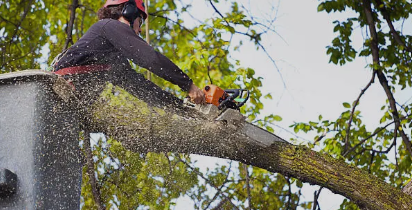
Tree Services Adelaide Hills’ Professional Solutions for Healthy and Safe Trees

tree services Adelaide Hills

Maintaining healthy and safe trees is a priority for homeowners and businesses in Adelaide Hills, SA. With the region’s unique climate and diverse vegetation, professional tree services are essential to protect both the beauty of your property and the safety of your surroundings. From routine pruning and tree removal to stump grinding and emergency care, certified arborists in Adelaide Hills provide comprehensive solutions tailored to local conditions. Investing in expert tree care not only preserves the health of your trees but also enhances property value and prevents potential hazards caused by overgrown or damaged trees.

Why Professional Tree Services Matter in Adelaide Hills

Adelaide Hills is known for its scenic landscapes and native forests, which require specialised care. Local tree species such as eucalypts, native pines, and fruit trees demand expert knowledge to ensure proper growth and longevity. Attempting to prune or remove trees without professional experience can lead to damage, disease, or even serious injury. Professional tree services offer precise pruning techniques, disease management, and structural assessments that protect trees while maintaining the natural aesthetic of your property.

Moreover, Adelaide Hills experiences occasional strong winds and heavy rains, increasing the risk of tree damage. Skilled arborists assess tree stability, remove hazardous limbs, and provide preventative care to minimise risks. For residential and commercial properties alike, proactive tree management is an investment in safety and long-term sustainability.

Key Tree Services Offered in Adelaide Hills

1. Tree Pruning and Trimming: Proper pruning enhances tree health, encourages fruit production for edible trees, and maintains a visually appealing landscape. Local arborists understand the growth patterns of Adelaide Hills trees and apply pruning techniques that reduce disease risk and improve structural integrity.

2. Tree Removal: Sometimes a tree becomes too hazardous, diseased, or damaged to save. Professional tree removal services ensure the safe dismantling and removal of trees, regardless of size or location. In Adelaide Hills’ hilly terrain, experts use specialised equipment to navigate slopes and tight spaces without damaging surrounding areas.

3. Stump Grinding and Removal: After tree removal, stumps can pose a safety risk and obstruct landscaping plans. Stump grinding services remove these remnants efficiently, allowing for new plantings or landscaping projects. Local companies offer environmentally responsible methods that minimise soil disruption and promote healthy regrowth where desired.

4. Emergency Tree Services: Storms, strong winds, and unexpected tree failures can create urgent situations. Emergency tree services in Adelaide Hills provide rapid response to remove fallen trees, clear debris, and prevent further property damage. 24/7 support availability ensures that residents and businesses can address urgent hazards promptly.

Benefits of Hiring Local Adelaide Hills Arborists

Hiring tree service professionals familiar with Adelaide Hills provides several advantages:

● Knowledge of Local Conditions: Local arborists understand the soil types, climate patterns, and native species, ensuring trees are cared for appropriately.

● Safety Assurance: Certified arborists follow strict safety protocols, reducing the risk of accidents during pruning or removal.

● Sustainable Practices: Professionals employ eco-friendly techniques to minimise environmental impact and promote long-term tree health.

● Property Value Enhancement: Well-maintained trees improve curb appeal and overall property value, making expert care a wise investment.

Choosing the Right Tree Services in Adelaide Hills

When selecting a tree service provider, it’s important to consider certifications, experience, and customer reviews. Look for arborists who are licensed, insured, and familiar with Adelaide Hills’ local regulations regarding tree preservation and removal. A reputable company will provide a thorough assessment, transparent pricing, and a clear plan for maintaining your trees’ health and safety.

Maintaining Healthy Trees Year-Round

Regular tree maintenance is key to preventing costly damage and preserving the beauty of your property. Adelaide Hills residents should schedule routine inspections, pruning, and disease prevention treatments throughout the year. By working with a local arborist, you can ensure your trees thrive, remain safe, and remain visually appealing for years to come.

Conclusion

Investing in professional tree services Adelaide Hills ensures that your trees remain healthy, safe, and beautiful, no matter the season. From routine pruning to emergency removal, local arborists bring expertise, equipment, and knowledge tailored to Adelaide Hills’ unique environment. Whether you’re managing residential gardens, commercial landscapes, or native forest areas, professional tree services protect your property, enhance its value, and promote sustainable growth. By hiring certified local arborists, you can enjoy peace of mind knowing that your trees are in capable hands.

COLORBOND roofing in Adelaide’ Is COLORBOND Roofing Noisy in the Rain’ Myths vs Reality Explained

COLORBOND roofing Adelaide

In this article, we separate fact from fiction and explain what actually causes rain noise on COLORBOND roofs, how modern systems are designed to manage sound, and what you can realistically expect in an Adelaide home. When considering COLORBOND roofing in Adelaide, one of the most common concerns homeowners raise is whether metal roofs become excessively noisy during rainfall. With Adelaide’s varied climate—hot, dry summers and seasonal winter rain—this question is especially relevant for property owners weighing roofing options for durability, comfort, and long-term value.

Understanding the Myth: Why People Think Metal Roofs Are Loud

The belief that metal roofs are noisy largely stems from older roofing systems installed without proper insulation or structural layers. In those cases, rain directly impacted thin sheets of metal attached to minimal framing, creating noticeable drumming sounds. However, this outdated perception does not accurately reflect modern roofing systems.

In reality, COLORBOND roofing in Adelaide homes is almost always installed with advanced insulation layers, sarking, and acoustic barriers that significantly reduce sound transmission. The result is a roofing system that performs very differently from the “tin roof” stereotype many people imagine.

What Actually Causes Rain Noise on a Roof?

Rain noise is influenced by several factors beyond just the material itself. The main contributors include:

● Roof insulation quality

● Ceiling cavity depth

● Roof pitch and design

● Installation method

● Internal building materials

When rain hits a roof, sound vibrations travel through the structure. Without insulation or a dampening layer, these vibrations can be amplified indoors. However, modern roofing systems are engineered to interrupt this vibration pathway.

With properly installed COLORBOND roofing in Adelaide, rain noise is typically comparable to, or even quieter than, tile roofing, especially when insulation is correctly fitted.

How Modern COLORBOND Roofing Reduces Noise

Today’s COLORBOND systems feature multiple noise-reduction layers. These typically include:

1. Insulation and Anticon Blankets

A thermal and acoustic blanket is installed directly under the metal sheeting. This absorbs impact noise from rainfall and reduces sound resonance.

2. Sarking (Reflective Membrane)

Sarking acts as a secondary barrier, improving thermal efficiency while helping to dampen sound vibrations.

3. Ceiling Insulation

Bulk insulation in the ceiling cavity further reduces sound transfer into living spaces.

4. Structural Engineering

Modern roof framing systems are designed to minimise vibration and improve overall acoustic performance.

Together, these elements ensure that COLORBOND roofing in Adelaide performs quietly even during heavy rain events, including winter storms.

Adelaide’s Climate and Its Impact on Roof Noise

Adelaide experiences moderate to heavy rainfall during the winter months, often accompanied by strong winds. This combination can make roof noise more noticeable in poorly insulated homes. However, properly installed COLORBOND systems are specifically suited to these conditions.

The smooth surface of COLORBOND steel also helps water run off quickly, reducing prolonged impact noise compared to older, uneven roofing materials. In many cases, homeowners report that they barely notice rain once inside a well-insulated home.

Comparing COLORBOND Roofing to Other Materials

When evaluating noise levels, it is helpful to compare COLORBOND roofing with alternatives commonly used in South Australia:

● Terracotta or concrete tiles: Can also be noisy if not properly insulated due to the hollow cavities beneath them.

● Asphalt shingles: Generally quieter but less durable in extreme heat.

● Older metal roofing: Often noisier due to lack of modern insulation systems.

In modern construction, the difference is not the material alone but the entire roofing system. A properly installed metal roof can be just as quiet—if not quieter—than tiled roofs.

Installation Quality Matters More Than Material

One of the most overlooked factors affecting noise is the quality of installation. Even the best materials will perform poorly if installed incorrectly. Key considerations include:

● Correct spacing and fastening of sheets

● Proper sealing of roof penetrations

● Continuous insulation coverage without gaps

● Adequate ventilation design

Professional installation ensures that COLORBOND roofing in Adelaide achieves its intended acoustic performance. Poor workmanship, on the other hand, can lead to unnecessary vibration and noise issues regardless of the material used.

Debunking the Biggest Myths About Rain Noise

Let’s address some common misconceptions:

Myth 1: Metal roofs are always louder than tile roofs

Not true. With insulation, metal roofs often perform equally or better acoustically.

Myth 2: Heavy rain makes homes unbearable under metal roofing

In modern systems, rain sound is heavily dampened and rarely intrusive indoors.

Myth 3: Noise is unavoidable with steel roofing

Incorrect. Acoustic engineering is a standard part of modern roofing design.

These myths persist largely due to outdated construction methods rather than current industry standards.

Practical Expectations for Homeowners in Adelaide

If you are considering COLORBOND roofing in Adelaide, here is what you can realistically expect:

● A soft, muffled sound during heavy rain rather than sharp drumming

● Minimal noise intrusion when insulation is correctly installed

● No noticeable noise during light or moderate rainfall

● Comparable acoustic comfort to other modern roofing systems

In many cases, homeowners are surprised by how quiet modern metal roofing actually is once installed.

Final Verdict: Is COLORBOND Roofing Noisy?

The idea that COLORBOND roofing is excessively noisy is largely a myth rooted in outdated construction practices. Modern roofing systems in Adelaide incorporate multiple layers of insulation, reflective barriers, and advanced engineering that significantly reduce sound transmission.

For most homeowners, rain noise is not a practical concern. Instead, the focus shifts to benefits like durability, energy efficiency, and low maintenance—areas where COLORBOND roofing performs exceptionally well.

In summary, when properly designed and installed, COLORBOND roofing in Adelaide offers a quiet, reliable, and high-performance roofing solution that easily withstands local weather conditions without creating disruptive noise during rain.

Italian Hawthorn’ Seasonal Italian Dining in Hawthorn ΓÇô Fresh Flavours Straight from Italy

Italian Hawthorn

For food lovers seeking authentic Italian cuisine infused with the freshest seasonal ingredients, Italian Hawthorn offers a dining experience that brings the tastes of Italy straight to Melbourne’s eastern suburbs. Hawthorn’s vibrant culinary scene has seen a growing number of Italian restaurants committed to sourcing local, seasonal produce, ensuring each dish bursts with flavour and freshness. From farm-to-table antipasti to hand-made pasta and wood-fired pizzas, seasonal Italian Hawthorn dining in Hawthorn marries traditional techniques with the bounty of Victoria’s produce, offering residents and visitors a true taste of Italy.

Celebrating Seasonal Ingredients in Hawthorn’s Italian Restaurants

Hawthorn’s Italian eateries are increasingly focused on sustainability and seasonality, transforming menus to reflect what’s fresh at the market. Chefs in the area highlight ingredients such as heirloom tomatoes, locally foraged mushrooms, sweet corn, and winter root vegetables, blending them with imported Italian staples like burrata, Parmigiano-Reggiano, and extra-virgin olive oil. This approach not only supports local farmers but also elevates each dish, ensuring diners enjoy peak flavours in every bite.

Restaurants like Locanda di Mare and Trattoria Sorella (Hawthorn) are prime examples of this philosophy. Their menus rotate with the seasons, featuring delicate pasta dishes with fresh herbs in spring, hearty risottos in winter, and citrus-infused desserts in summer. The commitment to freshness and seasonality ensures that even familiar dishes feel vibrant and new, creating a dining experience that’s both authentic and innovative.

Seasonal Antipasti and Appetisers

The seasonal approach begins with antipasti, where local ingredients shine. In Hawthorn, Italian restaurants present dishes like grilled zucchini and eggplant drizzled with local honey, heirloom tomato salads with basil and aged balsamic, and freshly shucked oysters with a hint of lemon.

Seasonal dining also encourages creativity, with chefs experimenting with combinations such as roasted pumpkin with sage and ricotta, or marinated beetroot paired with burrata. These small plates are perfect for sharing and provide a tantalising introduction to Hawthorn’s seasonal Italian dining scene.

Hand-Made Pasta with Fresh Local Produce

Nothing embodies Italian culinary tradition like fresh pasta, and in Hawthorn, seasonal ingredients transform even the simplest recipes into works of art. Restaurants offer tagliatelle with locally foraged wild mushrooms in autumn, ricotta and lemon ravioli in spring, and rich pumpkin gnocchi in winter. By using local dairy and produce, chefs elevate textures and flavours, giving every dish a distinctively fresh and authentic taste. Seasonal Italian dining here demonstrates how a commitment to quality ingredients can turn classic dishes into extraordinary ones.

Wood-Fired Pizzas and Seasonal Toppings

Italian Hawthorn also embraces wood-fired pizza as a medium for seasonal creativity. Pizzerias like Forno Bello and Osteria Verde feature locally sourced vegetables, fresh herbs, and artisanal cheeses in their pizzas. Imagine a crisp, thin crust topped with sweet cherry tomatoes, blistered zucchini, and dollops of creamy burrata, or a winter pizza adorned with roasted pumpkin, sage, and taleggio cheese. These seasonal toppings not only enhance flavour but also showcase the region’s agricultural bounty, making every pizza a celebration of freshness.

Seasonal Desserts Straight from Italy

Italian desserts in Hawthorn also embrace the seasons. Spring sees desserts like lemon panna cotta with fresh berries, while autumn brings baked figs with mascarpone and drizzles of honey. Summer offers gelato infused with seasonal fruits such as stone fruits and blood oranges, creating a refreshing end to any meal. By aligning desserts with seasonal produce, Hawthorn’s Italian restaurants provide a sweet finale that is both visually appealing and deeply flavorful, leaving diners with an authentic Italian experience.

A Commitment to Local and Sustainable Practices

The focus on seasonal dining in Hawthorn’s Italian restaurants goes beyond taste; it reflects a broader commitment to sustainability and community support. Chefs actively seek local suppliers, farmers, and producers, reducing food miles and ensuring ingredients are at their peak. This approach resonates with diners who value ethical and environmentally conscious dining experiences, combining culinary excellence with mindful practices.

Experience Seasonal Italian Dining in Hawthorn

For residents and visitors looking to indulge in authentic Italian flavours while celebrating local, seasonal produce, Hawthorn offers an impressive array of restaurants that honour tradition and innovation. From fresh antipasti to hand-made pasta, wood-fired pizzas, and seasonal desserts, every meal is crafted with the freshest ingredients available. Whether you’re visiting for a romantic dinner, a family gathering, or a solo culinary adventure, Italian Hawthorn delivers an experience that’s rich in flavour, culture, and sustainability.

Hawthorn’s Italian dining scene is thriving, with each restaurant bringing its own interpretation of seasonal cuisine. By focusing on locally sourced ingredients and Italian culinary techniques, these establishments provide a dining experience that is both contemporary and timeless. The next time you crave fresh, seasonal Italian flavours, Hawthorn is the destination for an authentic and unforgettable meal.

Solar Battery Rebate’ How Adelaide Homeowners Can Maximise Savings on Solar Storage

solar battery rebate

For Adelaide homeowners looking to reduce electricity bills and increase energy independence, a solar battery rebate can make investing in solar storage systems far more affordable. South Australia has long been at the forefront of renewable energy adoption, and various state and federal incentives make it easier for residents to install solar batteries. By taking advantage of these rebates, households can lower upfront costs, benefit from excess solar energy storage, and even contribute to a greener future. Understanding the available rebates, eligibility requirements, and application process is essential to make the most of these financial incentives.

Understanding Solar Battery Rebates in South Australia

A solar battery rebate is essentially a government-backed financial incentive that reduces the cost of installing home battery systems. These batteries store excess electricity generated by solar panels during the day, allowing homeowners to use stored energy when the sun isn’t shining. In South Australia, programs like the Home Battery Scheme, part of the federal-state partnership, provide eligible households with rebates that can cover a significant portion of battery costs. These incentives aim to make renewable energy storage more accessible, reduce grid demand during peak hours, and promote sustainable energy practices.

For Adelaide residents, the rebate can vary based on battery capacity and household income, so it’s crucial to assess eligibility before applying. Typically, larger batteries receive higher rebates, and priority may be given to households that have never installed a battery before or those with higher daytime electricity consumption.

Who Qualifies for a Solar Battery Rebate in Adelaide?

Eligibility for a solar battery rebate in Adelaide depends on several factors:

1. Homeownership: Applicants generally need to own their property or obtain the property owner’s consent.

2. Solar Panel Installation: Most rebate programs require an existing solar PV system to ensure the battery can effectively store excess solar energy.

3. System Size and Battery Capacity: Rebates may vary based on the battery’s capacity in kilowatt-hours (kWh). For example, systems between 5 and 10 kWh often qualify for higher rebates.

4. Income or Priority Categories: Some programs prioritise low- to moderate-income households or households in regional areas to maximise social benefits.

Adelaide residents should carefully review the Home Battery Scheme’s guidelines and check for any additional incentives offered by the South Australian government. Many local installers are also well-versed in navigating rebate applications, ensuring homeowners don’t miss out on potential savings.

Financial Benefits of Installing a Solar Battery in Adelaide

One of the most compelling reasons to pursue a solar battery rebate is the long-term financial benefit. Solar batteries allow households to:

● Reduce electricity bills: By storing excess solar energy during the day, households can draw on it in the evening when electricity rates are higher.

● Increase self-consumption: Using stored solar energy rather than drawing from the grid maximises the value of your solar panels.

● Benefit from government incentives: Rebates can offset thousands of dollars in upfront costs, making solar batteries a more attractive investment.

On average, Adelaide homes can save between $400 and $800 annually on electricity bills with a solar battery, depending on household energy use and system size. Coupled with rebates, this return on investment can make solar storage systems financially viable within just a few years.

How to Apply for a Solar Battery Rebate

Applying for a solar battery rebate in Adelaide involves a few clear steps:

1. Select an Approved Installer: Ensure the installer is accredited and registered with the Home Battery Scheme. This guarantees compliance with technical and safety standards.

2. Assess Eligibility: Check your household’s solar capacity, battery requirements, and any priority categories.

3. Submit an Application: Most rebates require online submission through government portals. Include details of your solar system, battery specifications, and installer information.

4. Installation and Verification: Once approved, the installer can fit the battery, after which the system may be inspected to confirm compliance.

5. Receive Rebate: After verification, the rebate is applied, typically as a discount on the installation cost or a direct payment to the homeowner.

It’s important to note that rebate funds are limited, and applications are usually processed on a first-come, first-served basis. Early action increases the likelihood of securing financial support.

Choosing the Right Solar Battery for Your Adelaide Home

Selecting the ideal battery system is just as important as applying for a rebate. Adelaide residents should consider:

● Capacity (kWh): Larger batteries store more energy but may require a higher initial investment.

● Compatibility: Ensure the battery works seamlessly with existing solar panels.

● Warranty and Lifespan: Quality batteries typically last 10–15 years, and a solid warranty protects your investment.

● Technology Type: Lithium-ion batteries are currently the most popular for home storage due to efficiency and longevity.

Local solar specialists can provide tailored advice, helping homeowners choose a system that maximises both energy savings and eligibility for rebates.

Conclusion

For Adelaide households, a solar battery rebate is an excellent opportunity to invest in renewable energy while reducing costs and enhancing energy independence. By understanding eligibility, applying promptly, and selecting the right battery system, homeowners can significantly reduce electricity bills and contribute to a sustainable future. With South Australia’s strong focus on renewable energy, these rebates not only provide immediate financial relief but also support long-term environmental benefits. Taking advantage of these incentives ensures that Adelaide continues to lead the way in clean, efficient, and cost-effective energy solutions.

Commercial Builder Melbourne’ How to Choose the Top Commercial Builder for Your Project

commercial builder Melbourne

When it comes to constructing commercial properties in Melbourne, VIC, selecting the right team can make or break your project. Engaging a top commercial builder Melbourne ensures your development runs smoothly, meets local regulations, and is delivered on time and within budget. From office complexes and retail spaces to industrial facilities, Melbourne businesses need builders who understand the city’s unique building codes, climate challenges, and industry standards. Choosing the right commercial builder Melbourne can save time, reduce costs, and guarantee a high-quality outcome for your investment.

Why Choosing a Top Commercial Builder Matters

The commercial construction landscape in Melbourne is competitive, with numerous builders claiming expertise. However, experience and reputation matter more than promises. A top commercial builder will have a proven portfolio of completed projects in Victoria, demonstrate adherence to safety standards, and offer transparent communication throughout the building process. By prioritising a builder with local knowledge, you gain access to insights about Melbourne’s planning regulations, council approvals, and environmental compliance requirements—critical elements that influence project efficiency and long-term value.

Experience and Expertise in Melbourne’s Commercial Sector

When evaluating potential builders, experience in your specific type of commercial project is crucial. Whether you’re planning a modern office, a retail outlet, or an industrial warehouse, the top commercial builder will bring sector-specific expertise. Melbourne’s diverse urban landscape demands builders who understand structural requirements, sustainable design trends, and energy efficiency standards that comply with VIC regulations. Look for a builder who has successfully delivered similar projects in the city, as local familiarity can reduce delays and mitigate costly errors.

Reputation and Client Feedback

A strong reputation in Melbourne’s commercial construction industry is a key indicator of reliability. Client testimonials, case studies, and online reviews provide insights into a builder’s professionalism, communication skills, and work quality. A top commercial builder should be transparent about past challenges and demonstrate how they overcame them. Builders with a solid local presence often maintain long-term relationships with suppliers, subcontractors, and council authorities, which can streamline your project from planning to completion.

Compliance with Local Regulations

Melbourne’s commercial construction projects must adhere to a range of building codes, safety regulations, and environmental standards. A skilled commercial builder Melbourne will navigate these requirements efficiently, ensuring that your project is fully compliant with Victoria’s Building Act, fire safety codes, and accessibility standards. Non-compliance can lead to costly fines, delays, or redesigns of the project. Engaging a local expert minimises these risks and guarantees that your investment meets all statutory requirements.

Budget Management and Transparency

Cost overruns are a common challenge in commercial construction. The top commercial builder in Melbourne will provide clear and detailed quotes, identify potential cost-saving measures, and manage resources effectively. Transparent billing and proactive budget management allow businesses to plan finances accurately while ensuring that project quality is not compromised. Experienced builders also anticipate potential site-specific issues—such as soil conditions or heritage restrictions—helping you avoid unexpected expenses.

Sustainable and Future-Proof Building Practices

Modern commercial developments in Melbourne increasingly focus on sustainability, energy efficiency, and long-term performance. A reputable commercial builder Melbourne will integrate eco-friendly solutions, such as energy-efficient HVAC systems, renewable materials, and green building certifications. Choosing a builder who prioritises sustainable construction not only benefits the environment but also enhances the value of your property and reduces operational costs over time.

Communication and Project Management

Effective communication is crucial in commercial construction projects. A top commercial builder will maintain regular updates, schedule site meetings, and provide clear reporting on progress. Good project management reduces misunderstandings, ensures deadlines are met, and fosters collaboration among architects, engineers, and stakeholders. Melbourne businesses benefit from builders who are responsive, proactive, and capable of managing multiple aspects of a complex project simultaneously.

How to Select the Right Commercial Builder in Melbourne

To find the best fit for your project, start by researching local builders with a strong track record in Melbourne. Evaluate portfolios, check references, and discuss project timelines and budgets—Prioritise builders who understand Victoria’s regulatory landscape and have experience delivering projects similar to yours. A top commercial builder will guide you through every stage—from initial design consultation to final handover—ensuring a seamless construction experience.

Conclusion

Selecting a commercial builder Melbourne is a critical step for any business or developer planning a commercial project in Victoria. A top builder combines local expertise, proven experience, regulatory compliance, and effective project management to deliver high-quality outcomes. By choosing the right team, Melbourne businesses can ensure their commercial developments are efficient, sustainable, and built to last, providing long-term value and peace of mind.

Commercial Fit Outs Adelaide’ Designing Compliant, Climate-Smart Workspaces for Local Businesses

commercial fit outs Adelaide

Commercial fit outs play a critical role in shaping how businesses operate, grow, and present themselves to clients. In a competitive market like Adelaide, a well-executed workspace is no longer a luxury—it is a strategic asset. Commercial fit outs Adelaide businesses invest in must balance functionality, compliance, and aesthetics while responding to South Australia’s unique regulatory environment and climate conditions. From the CBD to suburban business hubs, fit outs tailored to local requirements help organisations maximise productivity and long-term value.

Understanding Adelaide’s Commercial Landscape

Adelaide’s commercial sector is diverse, spanning professional offices, retail precincts, hospitality venues, medical practices, and industrial spaces. Each sector has specific spatial and compliance requirements that influence fit out design. For example, offices in the Adelaide CBD often prioritise efficient use of limited floor space. At the same time, hospitality venues in Glenelg or Henley Beach focus on customer flow and durability in coastal conditions.

Local market knowledge is essential. Adelaide-based fit out specialists understand council approval processes, landlord requirements, and building constraints that can vary significantly between older heritage buildings and newer commercial developments. This insight reduces delays and ensures smoother project delivery.

Compliance with South Australian Regulations

One of the most important aspects of commercial fit outs is regulatory compliance. In South Australia, fit outs must adhere to the National Construction Code (NCC), Work Health and Safety (WHS) regulations, disability access standards, and fire safety requirements. These regulations directly influence layout planning, materials selection, lighting, ventilation, and emergency egress.

Experienced professionals delivering commercial fit outs Adelaide businesses rely on to ensure that designs meet all relevant standards from the outset. This proactive approach minimises the risk of costly redesigns, failed inspections, or operational disruptions once the space is occupied. It also provides peace of mind for business owners who may not be familiar with complex compliance obligations.

Designing for Adelaide’s Climate

Adelaide’s Mediterranean climate—characterised by hot, dry summers and cool, damp winters—has a direct impact on fit out decisions. Thermal comfort, energy efficiency, and durability are key considerations. Materials must withstand temperature fluctuations, while HVAC systems should be designed to manage summer heat efficiently without driving up energy costs.

Natural light is another important factor. Many Adelaide businesses aim to maximise daylight to improve employee wellbeing and reduce reliance on artificial lighting. Strategic placement of workstations, glass partitions, and shading solutions helps achieve this balance while maintaining privacy and comfort.

Tailoring Fit Outs to Business Needs

No two businesses operate in the same way, which is why bespoke design is central to successful commercial fit outs. Offices may require flexible layouts that support hybrid work models, collaboration zones, and quiet focus areas. Retail fit outs must guide customer movement, highlight products, and reflect brand identity. Medical and allied health spaces require strict hygiene standards and patient-friendly layouts.

A well-planned fit out aligns physical space with operational workflows. When commercial fit outs Adelaide companies undertake are designed around how staff and customers actually use the space, efficiency and satisfaction improve across the board. This alignment can also support future growth by allowing for modular changes or expansions.

The Value of Local Expertise

Working with local fit out professionals offers significant advantages. Adelaide-based teams have established relationships with local suppliers, trades, and certifiers, which can streamline procurement and construction timelines. They are also familiar with typical challenges, such as working within heritage-listed buildings or coordinating works in high-traffic precincts.

Local expertise is particularly valuable when navigating approvals from Adelaide City Council or other metropolitan councils. Understanding documentation requirements and approval timeframes helps keep projects on schedule and within budget.

Sustainability and Energy Efficiency

Sustainability is increasingly important for Adelaide businesses, both from a regulatory and commercial perspective. Energy-efficient lighting, low-VOC materials, water-saving fixtures, and smart building systems are now common inclusions in modern fit outs. These features not only reduce environmental impact but also lower ongoing operational costs.

Sustainable design is also attractive to employees and customers who value environmentally responsible businesses. Incorporating sustainability into commercial fit outs Adelaide organisations can enhance brand reputation while supporting long-term cost efficiency.

Long-Term Benefits of Quality Fit Outs

A high-quality commercial fit out delivers benefits well beyond initial aesthetics. It can improve staff productivity, reduce absenteeism, enhance customer experience, and support regulatory compliance for years to come. Well-designed spaces are also easier to maintain and adapt as business needs evolve.

For Adelaide businesses, investing in a thoughtful, locally informed fit out is an investment in operational resilience. By considering compliance, climate, sustainability, and functionality from the outset, organisations can create workspaces that support success in a competitive South Australian market.

In a city where business growth is closely tied to innovation and efficiency, commercial fit outs that reflect Adelaide’s unique conditions provide a clear strategic advantage.

Physio Semaphore ‘ How to Build a Strong Core Safely

physio Semaphore

Building a strong core is one of the most effective ways to improve posture, reduce back pain, and enhance overall movement efficiency. If you’re living in Semaphore, SA and want to train smarter rather than harder, guidance from a physio Semaphore professional can help you avoid common mistakes that lead to strain or injury. Core training is often misunderstood as endless crunches, but true core strength involves coordinated activation of deep stabilising muscles that support your spine and pelvis during daily activities.

In coastal communities like Semaphore, where many people enjoy walking along the foreshore, cycling, or recreational sports, having a resilient core is especially important for injury prevention and long-term mobility.

Understanding Core Strength and Why It Matters

A strong core is not just about visible abdominal muscles. It includes the transverse abdominis, the obliques, the pelvic floor, the diaphragm, and the spinal stabilisers working together. These muscles act as a natural brace for your spine.

When trained correctly, the core improves balance, reduces lower back stress, and supports efficient movement patterns. Many people in Semaphore, SA experience back or hip discomfort due to sedentary office work combined with weekend physical activity spikes. This “inactive-to-active” pattern often overloads unprepared muscles.

This is where advice from a physio Semaphore clinic becomes valuable. A physiotherapist can assess movement patterns, identify weaknesses, and design a progressive core program that matches your fitness level.

Instead of focusing on high-repetition sit-ups, safe core training emphasises control, breathing, and stability-based exercises like planks, dead bugs, and glute bridges. These movements teach the body to stabilise under load—an essential skill for both athletic performance and everyday tasks, such as lifting groceries or bending safely.

Safe Core Training Principles You Should Follow

Before starting any core strengthening program, it’s essential to understand the principles of safe progression. Rushing intensity is one of the most common causes of injury.

First, always prioritise form over volume. Performing fewer repetitions with perfect alignment is more effective than high-rep, low-quality movement. Second, engage your core through controlled breathing. Exhaling during exertion helps activate deep stabilisers rather than superficial muscles.

Residents of Semaphore often enjoy active outdoor lifestyles, from beach walks to water sports. However, sudden increases in activity without conditioning can strain the lower back and hips. A physio Semaphore assessment can help identify whether your core is prepared for your current activity level.

Third, progress gradually. Start with static stability exercises such as planks before moving into dynamic movements like mountain climbers or loaded carries. Each progression should feel controlled, not forced.

Finally, consistency is more important than intensity. Short, frequent sessions (10–15 minutes) performed several times a week are far more effective than occasional intense workouts. This approach builds neuromuscular control and significantly reduces injury risk.

Common Core Training Mistakes to Avoid

Many people unknowingly sabotage their core training by using incorrect techniques. One of the biggest mistakes is over-relying on hip flexors during exercises like sit-ups, which can lead to lower back strain.

Another common issue is holding the breath during exertion, which reduces core activation efficiency and increases intra-abdominal pressure in an unsafe way. Proper breathing mechanics are essential for safe training outcomes.

In Semaphore, SA, where active coastal living is common, another mistake is to ignore foundational strength and jump straight into advanced exercises. This often leads to overload injuries, especially in the lumbar spine.

A physio Semaphore specialist often sees clients who experience recurring discomfort because they skip the foundational phase of core development. Building stability first ensures that more complex movements—such as running, lifting, or sport-specific training—are supported by proper muscular control.

It’s also important to avoid training only the “front” of the core. A balanced program includes posterior chain activation, especially the glutes and lower back muscles, to maintain proper posture and spinal alignment.

Building a Long-Term Core Strength Strategy

Developing a strong core safely is not about quick fixes; it is about building sustainable habits. A structured approach that evolves over time is the most effective method.

Begin with basic stability exercises and gradually incorporate anti-rotation and dynamic loading movements. Exercises such as side planks, bird dogs, and Pallof presses are excellent for developing full-core integration.

For residents of Semaphore, integrating core work into daily routines can be highly effective. Simple habits like engaging your core while walking along Semaphore Beach or maintaining posture during desk work can reinforce the benefits of training throughout the day.

Working with a physio Semaphore professional ensures that your program evolves appropriately. They can adjust your training based on progress, recovery ability, and any pre-existing conditions such as lower back pain or postural imbalances.

Recovery is another critical component. Adequate rest, hydration, and mobility work ensure that muscles adapt properly without becoming overstrained. Ignoring recovery can lead to stagnation or injury, even with correct exercise selection.

Ultimately, a strong core supports every aspect of movement—from lifting and bending to running and balance. With the right guidance, residents of Semaphore can build lasting strength that enhances both performance and quality of life.

Electrician Modbury’ Common Electrical Problems in Homes and How Experts Fix Them

electrician Modbury

When it comes to maintaining a safe and functional home, electrical systems play a critical role. Many homeowners don’t realise how quickly small issues can escalate into serious hazards. That’s why working with a qualified electrician Modbury residents trust is essential when problems arise. From flickering lights to overloaded circuits, understanding common electrical issues—and how professionals resolve them—can help you act quickly and avoid costly damage.

1. Flickering or Dimming Lights

Flickering lights are one of the most common electrical complaints in Modbury homes. While it may seem minor, it can indicate deeper issues such as loose wiring, faulty light fixtures, or voltage fluctuations.

How experts fix it:

A licensed electrician will inspect the wiring connections, switches, and fixtures. If the issue is isolated, it may involve tightening connections or replacing a faulty fitting. For broader issues such as inconsistent voltage, they may assess your electrical panel or grid connection to ensure stability.

2. Frequently Tripping Circuit Breakers

Circuit breakers are designed to protect your home, but frequent tripping is a sign that something isn’t right. This often happens when circuits are overloaded, especially in older Modbury properties not designed for modern electrical demands.

How experts fix it:

A professional electrician Modbury homeowners rely on will evaluate your load distribution. They may redistribute appliances across circuits, upgrade your switchboard, or install additional circuits to handle increased demand safely.

3. Dead Power Outlets

If an outlet suddenly stops working, it can be both inconvenient and concerning. Causes range from internal wiring faults to tripped breakers or damaged outlets.

How experts fix it:

Electricians use diagnostic tools to trace the issue. They may replace the outlet, repair damaged wiring, or resolve issues within the circuit. In some cases, they will also check for underlying safety risks, such as burnt wires or moisture damage.

4. High Electricity Bills

Unexpected spikes in energy costs can indicate inefficiencies or hidden electrical issues. Faulty appliances, outdated systems, or energy leaks can all contribute.

How experts fix it:

A thorough energy audit is typically performed. Professionals identify inefficient appliances, recommend LED lighting upgrades, and suggest modern solutions like smart systems. A skilled electrician Modbury based can also assess whether your wiring or switchboard needs upgrading for better efficiency.

5. Electrical Surges

Power surges can damage appliances and reduce their lifespan. Lightning strikes, faulty appliances, or poor wiring often cause these.

How experts fix it:

Electricians may install surge protection devices at the switchboard level to safeguard your entire home. They also inspect appliances and wiring to identify the root cause and prevent recurring issues.

6. Overloaded Power Points

In many Modbury homes, especially older ones, there are simply not enough outlets to meet modern needs. This leads to overuse of power boards and double adapters, increasing fire risk.

How experts fix it:

Rather than relying on temporary solutions, professionals install additional outlets in key areas. This reduces strain on circuits and ensures safer power distribution throughout the home.

7. Outdated or Faulty Wiring

Old or deteriorating wiring is a serious hazard that can lead to electrical fires or shocks. Homes built decades ago in Modbury may still have outdated wiring systems that no longer meet safety standards.

How experts fix it:

A licensed electrician Modbury locals depend on will conduct a full inspection and recommend rewiring if necessary. Modern wiring not only improves safety but also supports today’s electrical loads more effectively.

8. Warm or Sparking Switches

Switches or outlets that feel warm to the touch—or worse, produce sparks—should never be ignored. These are clear indicators of dangerous electrical faults.

How experts fix it:

Electricians will immediately isolate the circuit and investigate the cause. Repairs may involve replacing switches, fixing loose connections, or addressing overloaded circuits to eliminate the hazard.

9. Lack of Safety Switches (RCDs)

Safety switches, also known as Residual Current Devices (RCDs), are essential for preventing electric shock. Older homes in Modbury may lack adequate protection.

How experts fix it:

Installing RCDs is a straightforward yet critical upgrade. A professional electrician ensures these devices are correctly integrated into your switchboard, significantly improving household safety.

Why Professional Help Matters

Electrical work is not a DIY task. Attempting to fix issues without proper training can lead to serious injury or property damage. Hiring a qualified electrician Modbury homeowners trust ensures that all work complies with Australian safety standards and local regulations.

Professionals bring the right tools, expertise, and experience to diagnose problems accurately and implement long-term solutions. Whether it’s a minor repair or a major system upgrade, expert intervention guarantees peace of mind.

Final Thoughts

Electrical problems are inevitable in any home, but how you respond makes all the difference. By recognising common issues early and consulting a licensed electrician, you can maintain a safe, efficient, and reliable electrical system.

If you’re experiencing any of these problems, don’t wait. A trusted electrician Modbury can quickly assess the situation and provide effective solutions tailored to your home’s needs.

Pools Adelaide Fibreglass’ The Ultimate Guide to Choosing a Fibreglass Pool for Your Home

pools Adelaide fibreglass

If you’re a homeowner in Adelaide, SA, looking to upgrade your backyard, pools Adelaide fibreglass are increasingly becoming the preferred choice. Known for their durability, low maintenance, and sleek designs, pools Adelaide fiberglass offer a practical and stylish solution for South Australian families. Unlike traditional concrete pools, fibreglass pools arrive as pre-moulded shells, ensuring a faster installation process and a smoother finish. With Adelaide’s hot summers and variable climate, a fibreglass pool offers a long-lasting investment that withstands local weather conditions while delivering a luxurious swimming experience.

Why Choose Fibreglass Pools in Adelaide?

One of the main advantages of fibreglass pools in Adelaide is their resilience. South Australia’s intense sun and occasional heavy rains can take a toll on outdoor structures, but fibreglass pools are built to endure these elements. The non-porous surface of fibreglass makes it resistant to algae growth, reducing the need for constant cleaning and chemical treatments. This is a significant benefit for Adelaide residents who want a pool that’s easy to maintain year-round.

Moreover, fibreglass pools are versatile in design. Whether you have a compact suburban backyard in North Adelaide or a spacious property in the Adelaide Hills, there are fibreglass pool shapes and sizes that can complement your space. From sleek lap pools for exercise enthusiasts to larger leisure pools perfect for family gatherings, the range of options ensures every home can enjoy a tailored swimming solution.

Fast Installation for Busy Adelaide Homeowners

Time is another factor where pools Adelaide fibreglass stand out. Unlike concrete pools, which can take months to construct and cure, fibreglass pools are installed in just a few days. This is particularly appealing in Adelaide, where homeowners often plan renovations around the summer season. With minimal disruption to your daily life, a fibreglass pool can transform your backyard into a summer oasis almost immediately. Local Adelaide suppliers often provide professional installation teams familiar with the city’s terrain, ensuring a smooth and stress-free process.

Low Maintenance, High Durability

Adelaide residents appreciate low-maintenance solutions, and fibreglass pools deliver exactly that. The smooth gel-coated surface not only feels pleasant underfoot but also prevents debris from sticking, making cleaning straightforward. Regular water treatment and occasional skimming are usually sufficient to keep the pool in pristine condition. Additionally, fibreglass pools are far less prone to cracking than concrete pools, a critical advantage in Adelaide’s fluctuating temperatures. This durability translates into long-term savings on repairs and maintenance, making fibreglass pools a cost-effective choice for homeowners looking for longevity.

Energy Efficiency and Comfort

Another reason why pools Adelaide fibreglass are popular is energy efficiency. Fibreglass retains heat better than other materials, allowing you to enjoy warmer water without excessive energy use. Combined with Adelaide’s sunny climate, this means you can maximise your swimming season while keeping energy costs in check. Some modern fibreglass pools also offer integrated features like built-in steps, spa sections, or shallow lounging areas, enhancing comfort and convenience for families and guests.

Compliance with Adelaide Pool Regulations

Installing a pool in Adelaide requires adherence to specific safety standards and regulations. Fibreglass pools are often easier to certify for compliance due to their standardised dimensions and structural integrity. Local suppliers can guide you through the necessary council approvals, fencing requirements, and safety barriers, ensuring your pool complies with all South Australian legislation. This makes the process smoother and more predictable, avoiding delays or costly compliance issues.

Choosing the Right Supplier in Adelaide

Selecting a reputable local supplier is key when investing in a fibreglass pool. Look for companies with experience in Adelaide’s market, positive customer reviews, and comprehensive service offerings, including delivery, installation, and aftercare. A professional supplier can provide guidance on the best pool design for your space, provide accurate cost estimates, and offer tips for ongoing maintenance, ensuring your investment brings lasting enjoyment.

Conclusion

For homeowners in Adelaide, pools Adelaide fibreglass offer an unbeatable combination of remarkable style, durability, and convenience. Their low-maintenance surfaces, quick installation, and resistance to local weather conditions make them ideal for South Australian backyards. Whether you are seeking a family-friendly leisure pool or a sleek lap pool for exercise, fibreglass provides a versatile, long-lasting solution. Partnering with an experienced Adelaide supplier ensures your pool is installed safely and efficiently, allowing you to enjoy a luxurious outdoor lifestyle without compromise.

Investing in a fibreglass pool is more than just a backyard upgrade—it’s a lifestyle enhancement that adds value, comfort, and enjoyment to your Adelaide home.

Net Replacement Film’ A Complete Usage Guide for Australian Growers

net replacement film

Australian growers operate in one of the most climatically diverse agricultural environments in the world. From the tropical humidity of Queensland to the dry heat of South Australia and the temperate conditions of Victoria and New South Wales, protective crop systems must withstand extreme UV radiation, high winds, sudden storms, and fluctuating temperatures. This is where net replacement film becomes a strategic solution.

Designed to replace traditional shade or insect netting with durable plastic film, net replacement film enhances environmental control, improves crop protection, and increases yield reliability across Australian farming operations.

What Is Net Replacement Film?

Net replacement film refers to reinforced polyethylene or multi-layer greenhouse film engineered to substitute existing shade cloth or crop netting structures. Rather than dismantling entire frameworks, growers can retrofit their current net systems with high-performance plastic film, converting open or semi-protected structures into more controlled growing environments.

In Australia, this solution is particularly relevant due to escalating climate volatility. Extended heatwaves, unexpected hail events, and heavy rainfall linked to La Niña cycles have pushed growers to seek adaptable infrastructure upgrades without the capital expense of building new greenhouses.

Why Australian Growers Are Transitioning from Netting to Film

By installing net replacement film, growers gain:

● Improved thermal regulation

● Enhanced UV filtration

● Rain and hail protection

● Better pest exclusion

● Increased crop consistency

For horticultural sectors such as berries, table grapes, leafy greens, and nursery production, these benefits translate into improved fruit quality and reduced seasonal losses.

Climate Considerations Across Australia

Australia’s climate varies significantly by region, so material selection must be strategic.

High-UV Regions (QLD & WA)

In high-radiation areas such as Queensland, UV stabilisation is critical. Films should include UV inhibitors rated for at least 3–5 years of exposure to the Australian sun. Diffused-light films are also beneficial for preventing leaf scorch while maintaining photosynthetic efficiency.

Temperate Zones (NSW & VIC)

In New South Wales and Victoria, growers benefit from thermal films that reduce night-time heat loss. Anti-drip and anti-condensation coatings are valuable during cooler months, helping prevent fungal disease in enclosed environments.

Wind-Exposed Areas (SA & Coastal Regions)

Regions like South Australia frequently experience strong winds. Reinforced films with high tensile strength and secure fastening systems are essential to avoid structural stress or tearing.

Installation Best Practices

Upgrading to net replacement film does not require a complete structural overhaul. However, proper installation determines longevity and performance.

1. Structural Assessment

Inspect existing net frames for corrosion, loose joints, or insufficient bracing. Film creates higher wind loads than mesh netting, so reinforcement may be required.

2. Correct Film Selection

Choose film thickness (typically 150–200 microns) based on exposure level and expected lifespan. Multi-layer co-extruded films offer superior durability.

3. Secure Fastening Systems

Use locking channels, aluminium profiles, or heavy-duty clips specifically rated for agricultural film. Avoid makeshift attachments that may fail during storms.

4. Tension Management

The film should be evenly tensioned to prevent sagging or wind-flap damage. Professional installation is recommended for large-scale operations.

Crop-Specific Applications

Different crops respond uniquely to enclosed systems.

Berry Production

Strawberries and blueberries benefit from improved rain protection, reducing fruit splitting and fungal infections.

Vegetable Crops

Capsicum, tomatoes, and cucumbers show increased temperature stability and reduced pest pressure under net-replacement film structures.

Orchard Protection

Young orchards can use film retrofits to guard against hail and bird damage while maintaining airflow.

In high-value horticulture, even a 5–10% yield improvement can significantly offset installation costs.

Economic Considerations

From a financial standpoint, converting net structures is often more cost-effective than constructing new polyhouses. Growers save on:

● Structural steel

● Foundation work

● Full greenhouse builds

Although upfront film costs vary by quality and thickness, most Australian growers report a return on investment within 1–3 growing seasons, driven by improved crop reliability and reduced weather-related losses.

Additionally, water savings can be achieved through reduced evapotranspiration, particularly in arid regions.

Maintenance and Longevity

To maximise lifespan:

● Regularly inspect for tears or punctures

● Clean film annually to maintain light transmission

● Check fastening systems before storm seasons

● Avoid chemical exposure that may degrade polymers

Most premium films designed for Australian conditions last 3–5 years, depending on UV exposure intensity.

Compliance and Sustainability

Australian growers must ensure materials meet agricultural safety standards and environmental regulations. Many suppliers now offer recyclable polyethylene films to reduce environmental impact.

With increasing pressure to adopt sustainable farming practices, upgrading to controlled-environment systems using net replacement film can also improve resource efficiency by reducing pesticide use and water waste.

Is Net Replacement Film Right for Your Operation?

The decision depends on several factors:

● Current structural integrity

● Crop value per hectare

● Regional climate exposure

● Long-term production strategy

For growers facing increasing weather volatility, retrofitting nets with film represents a strategic infrastructure upgrade rather than a simple material swap.

In Australia’s evolving agricultural landscape, resilience is no longer optional—it is operationally essential. By carefully selecting materials, ensuring correct installation, and aligning film properties with regional climate demands, growers can transform basic net systems into high-performance protective environments.

As extreme weather patterns continue to challenge production consistency, net replacement film stands out as a practical, scalable solution for modern Australian agriculture.