
In the logistics and storage industry, efficient use of space and proper ventilation is critical, especially in environments like freezer facilities. Pallet freezer spacers play a crucial role in maintaining product integrity and optimising storage conditions in Australian freezer warehouses. This article explores the benefits, types, and applications of pallet freezer spacers, focusing on their importance in the Australian market. For more pallet freezer spacers, click here.
What are Pallet Freezer Spacers?
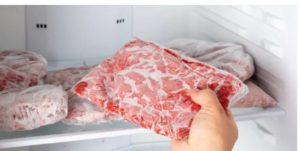 Pallet freezer spacers are specialised tools designed to elevate pallets off the ground slightly and facilitate airflow between stacked pallets. They are typically made from durable materials such as plastic or metal and come in various sizes to accommodate different pallet and product configurations. These spacers are specifically engineered to withstand low temperatures and harsh conditions commonly found in freezer storage environments.
Benefits of Using Pallet Freezer Spacers
- Prevention of Condensation: In freezer warehouses, condensation can accumulate between stacked pallets due to temperature differentials. Pallet freezer spacers elevate pallets, allowing air to circulate freely and reducing the risk of moisture buildup that could compromise product quality.
- Improved Airflow: Proper airflow is essential for maintaining consistent temperatures throughout the freezer facility. By using spacers, air can circulate each pallet, ensuring that all products are uniformly cooled and reducing the likelihood of hotspots or uneven freezing.
- Enhanced Product Quality: Maintaining optimal storage conditions is vital for preserving the quality and shelf life of frozen goods. Pallet freezer spacers help minimise the risk of temperature fluctuations and ensure that products remain at the desired temperature, meeting quality standards and customer expectations.
- Space Optimisation: Pallet freezer spacers allow vertical airflow, enabling more efficient use of storage space. This optimisation is crucial in Australian freezer warehouses, where space can be limited and maximising capacity is a priority. For more pallet freezer spacers, click here.
Types of Pallet Freezer Spacers
There are several types of pallet freezer spacers available, each designed to suit specific storage needs:
- Plastic Pallet Spacers: Lightweight and cost-effective, plastic spacers are commonly used for general freezer storage applications. They are resistant to moisture and can withstand low temperatures without warping or cracking.
- Metal Pallet Spacers: Known for their durability and strength, metal spacers are ideal for heavy-duty applications or where frequent stacking and unstacking of pallets occur. They provide robust support and long-term reliability in freezer environments.
- Adjustable Spacers: Some spacers come with adjustable height settings, allowing warehouse managers to customise airflow and adapt to varying pallet heights or storage configurations.
Applications in the Australian Market
In Australia, pallet freezer spacers are extensively used across various industries, including:
- Food and Beverage: Frozen foods, seafood, and perishable goods require precise temperature control and proper airflow to maintain quality during storage and distribution.
- Pharmaceuticals: Temperature-sensitive pharmaceuticals and vaccines must be stored under strict conditions to ensure efficacy and safety, making pallet freezer spacers essential in pharmaceutical logistics.
- Retail Distribution: Supermarkets and retail chains rely on freezer warehouses to store frozen goods before they reach consumers. Pallet spacers help ensure that products are kept in optimal condition until they reach store shelves.
Choosing the Right Pallet Freezer Spacers for Your Needs
Selecting the appropriate pallet freezer spacers is crucial to optimising storage efficiency and maintaining product quality in Australian freezer warehouses. Here are vital factors to consider when choosing spacers:
- Material: Evaluate the durability and suitability of the spacer material for freezer conditions. Plastic spacers are lightweight and resistant to moisture, while metal spacers offer enhanced strength and longevity.
- Size and Configuration: Consider the dimensions of your pallets and the spacing requirements in your freezer facility. Adjustable spacers provide flexibility for accommodating different pallet heights and configurations. For more pallet freezer spacers, click here.
- Temperature Resistance: Ensure that the spacers can withstand the low temperatures typical of freezer environments without compromising structural integrity or performance.
- Ease of Use: Look for spacers that are easy to install and remove, facilitating efficient handling and storage operations.
- Compatibility: Verify compatibility with your existing pallets and storage equipment to ensure seamless integration into your warehouse operations.
Conclusion:
Pallet freezer spacers play a vital role in maintaining efficient and effective freezer storage operations in Australia. By preventing condensation, improving airflow, and optimising space, these spacers help preserve product quality and maximise storage capacity.
 Professional Atmosphere
 Bale wrap products are primarily used to protect baled hay and silage from external elements such as moisture, UV rays, and microbial activity. These wraps create a barrier that prevents spoilage, maintains nutritional integrity, and ensures that livestock receive high-quality feed throughout the year. For modern farms aiming to optimise their operations, choosing the right bale wrap is not just about protecting the immediate harvest but also about long-term sustainability and cost-efficiency.
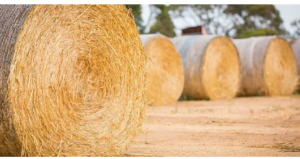 As the essential component of hay baling operations, baling twine, which is often referred to as baler twine or hay twine, plays a pivotal role. The structural support that is required to transform collected feed into compact bales is provided by baling twine, which is made out of long-lasting materials like polypropylene or sisal. Both its high tensile strength and its flexibility make it possible for farmers to safely bind bales of varied sizes, which in turn makes it easier for them to handle and transport. Baling hay would not only be inconvenient but also impossible if baling twine were not available. It would result in substantial inefficiencies in farm operations.
 One of the most significant impacts of rubbish dumps is soil contamination. As waste decomposes, it releases a variety of harmful substances, including heavy metals, chemicals, and organic pollutants. These contaminants can leach into the soil, altering its composition and reducing its fertility. This process, known as leachate generation, can render the soil toxic, making it unsuitable for plant growth and harming microorganisms crucial for soil health.
 White goods refer to significant household appliances traditionally finished in white enamel, although modern variations come in a variety of colours and finishes. These appliances are essential for everyday tasks, ensuring convenience and efficiency in managing household chores.
 Choosing wedding party hire services in Adelaide comes with numerous benefits: