Author: Arnold Nguyen

Pallet Freezer Spacers: Understanding the Importance of Pallet Freezer Spacers

In the logistics and storage industry, efficient use of space and proper ventilation is critical, especially in environments like freezer facilities. Pallet freezer spacers play a crucial role in maintaining product integrity and optimising storage conditions in Australian freezer warehouses. This article explores the benefits, types, and applications of pallet freezer spacers, focusing on their importance in the Australian market. For more pallet freezer spacers, click here.

What are Pallet Freezer Spacers?
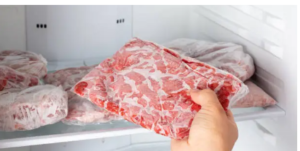
pallet freezer spacersPallet freezer spacers are specialised tools designed to elevate pallets off the ground slightly and facilitate airflow between stacked pallets. They are typically made from durable materials such as plastic or metal and come in various sizes to accommodate different pallet and product configurations. These spacers are specifically engineered to withstand low temperatures and harsh conditions commonly found in freezer storage environments.

Benefits of Using Pallet Freezer Spacers

  • Prevention of Condensation: In freezer warehouses, condensation can accumulate between stacked pallets due to temperature differentials. Pallet freezer spacers elevate pallets, allowing air to circulate freely and reducing the risk of moisture buildup that could compromise product quality.
  • Improved Airflow: Proper airflow is essential for maintaining consistent temperatures throughout the freezer facility. By using spacers, air can circulate each pallet, ensuring that all products are uniformly cooled and reducing the likelihood of hotspots or uneven freezing.
  • Enhanced Product Quality: Maintaining optimal storage conditions is vital for preserving the quality and shelf life of frozen goods. Pallet freezer spacers help minimise the risk of temperature fluctuations and ensure that products remain at the desired temperature, meeting quality standards and customer expectations.
  • Space Optimisation: Pallet freezer spacers allow vertical airflow, enabling more efficient use of storage space. This optimisation is crucial in Australian freezer warehouses, where space can be limited and maximising capacity is a priority. For more pallet freezer spacers, click here.

Types of Pallet Freezer Spacers

There are several types of pallet freezer spacers available, each designed to suit specific storage needs:

  • Plastic Pallet Spacers: Lightweight and cost-effective, plastic spacers are commonly used for general freezer storage applications. They are resistant to moisture and can withstand low temperatures without warping or cracking.
  • Metal Pallet Spacers: Known for their durability and strength, metal spacers are ideal for heavy-duty applications or where frequent stacking and unstacking of pallets occur. They provide robust support and long-term reliability in freezer environments.
  • Adjustable Spacers: Some spacers come with adjustable height settings, allowing warehouse managers to customise airflow and adapt to varying pallet heights or storage configurations.

Applications in the Australian Market

In Australia, pallet freezer spacers are extensively used across various industries, including:

  • Food and Beverage: Frozen foods, seafood, and perishable goods require precise temperature control and proper airflow to maintain quality during storage and distribution.
  • Pharmaceuticals: Temperature-sensitive pharmaceuticals and vaccines must be stored under strict conditions to ensure efficacy and safety, making pallet freezer spacers essential in pharmaceutical logistics.
  • Retail Distribution: Supermarkets and retail chains rely on freezer warehouses to store frozen goods before they reach consumers. Pallet spacers help ensure that products are kept in optimal condition until they reach store shelves.

Choosing the Right Pallet Freezer Spacers for Your Needs

Selecting the appropriate pallet freezer spacers is crucial to optimising storage efficiency and maintaining product quality in Australian freezer warehouses. Here are vital factors to consider when choosing spacers:

  • Material: Evaluate the durability and suitability of the spacer material for freezer conditions. Plastic spacers are lightweight and resistant to moisture, while metal spacers offer enhanced strength and longevity.
  • Size and Configuration: Consider the dimensions of your pallets and the spacing requirements in your freezer facility. Adjustable spacers provide flexibility for accommodating different pallet heights and configurations. For more pallet freezer spacers, click here.
  • Temperature Resistance: Ensure that the spacers can withstand the low temperatures typical of freezer environments without compromising structural integrity or performance.
  • Ease of Use: Look for spacers that are easy to install and remove, facilitating efficient handling and storage operations.
  • Compatibility: Verify compatibility with your existing pallets and storage equipment to ensure seamless integration into your warehouse operations.

Conclusion:

Pallet freezer spacers play a vital role in maintaining efficient and effective freezer storage operations in Australia. By preventing condensation, improving airflow, and optimising space, these spacers help preserve product quality and maximise storage capacity.

Meeting Rooms Adelaide: Discover the Perfect Meeting Rooms in Adelaide for Your Business Needs

Finding the ideal meeting rooms in Adelaide can significantly impact the success of your business meetings, workshops, and conferences. Whether you are a small startup, a growing SME, or a large corporation, having access to professional, well-equipped meeting spaces is essential. For more information about the serviced meeting rooms, click here.

Why Choose Meeting Rooms in Adelaide?

serviced meeting roomsProfessional Atmosphere

One of the primary advantages of renting meeting rooms in Adelaide is the professional environment they offer. Hosting meetings in a dedicated space enhances the perception of your business and leaves a positive impression on clients, partners, and employees.

Flexibility

Meeting rooms in Adelaide come in various sizes and configurations, offering flexibility to accommodate different types of meetings. Whether you need a small room for a private discussion or an ample space for a workshop, you can find a suitable venue that meets your specific needs.

State-of-the-Art Facilities

Modern meeting rooms are equipped with the latest technology and amenities, including high-speed internet, audiovisual equipment, and comfortable furnishings. These facilities ensure that your meetings run smoothly and efficiently, allowing you to focus on your agenda without worrying about technical issues.

Convenient Locations

Adelaide boasts a range of meeting rooms in prime locations, making it easy for attendees to reach the venue. Many meeting rooms are situated in the city’s business districts, close to public transportation, hotels, and restaurants, providing convenience for both local and out-of-town participants.

Key Features to Look for in Meeting Rooms

When searching for the perfect meeting rooms in Adelaide, consider the following key features to ensure a productive and successful event:

Size and Capacity

Assess the size and capacity of the meeting room to ensure it can comfortably accommodate your attendees. Depending on the nature of your meeting, consider the room’s layout options, such as boardroom, classroom, U-shape, or theatre style.

Technology and Equipment

Ensure that the meeting room is equipped with essential technology, such as projectors, screens, microphones, and speakers. High-speed Wi-Fi is crucial for presentations and video conferences, so check the connectivity options available.

Amenities

Look for meeting rooms that offer additional amenities, such as whiteboards, flip charts, stationery, and refreshments. These small touches can significantly improve the overall meeting experience.

Accessibility

Choose a meeting room that is easily accessible for all attendees, including those with disabilities. Check for features like elevators, ramps, and accessible restrooms to ensure everyone can participate comfortably.

Catering Services

If your meeting extends over several hours or includes a lunch break, consider a venue that offers catering services. Having meals and refreshments provided on-site saves time and keeps participants focused and energised.

Top Meeting Rooms in Adelaide

Here are some of the top locations for meeting rooms in Adelaide that offer a blend of convenience, technology, and professional ambience:

Adelaide Convention Centre

Located in the heart of the city, the Adelaide Convention Centre offers a variety of meeting rooms suitable for conferences, seminars, and workshops. The venue features state-of-the-art technology, flexible room configurations, and stunning views of the River Torrens.

The Playford Adelaide

The Playford Adelaide, part of the MGallery by Sofitel collection, offers elegant meeting rooms with a touch of luxury. The venue provides modern audiovisual equipment, high-speed internet, and professional event planning services to ensure a seamless meeting experience.

Regus Adelaide

Regus Adelaide provides flexible meeting room solutions in multiple locations across the city. Their rooms are equipped with cutting-edge technology, comfortable furnishings, and on-site support to cater to various business needs.

Peppers Waymouth Hotel

Peppers Waymouth Hotel offers sophisticated meeting rooms with contemporary design and advanced facilities. The hotel’s central location and exceptional service make it an ideal choice for business meetings and corporate events.

Stamford Plaza Adelaide

Stamford Plaza Adelaide features versatile meeting rooms with a focus on comfort and functionality. The venue offers comprehensive packages that include catering, audiovisual equipment, and dedicated event coordinators to ensure your meeting’s success.

Conclusion:

Selecting the fitting meeting rooms in Adelaide can elevate the quality of your business events and leave a lasting impression on your attendees. With numerous options available, you can find a venue that meets your specific requirements, from small team meetings to large corporate conferences.

Bale Wrap: Bale Wrap Solutions for Modern Farms

In the dynamic world of modern agriculture, maximising yield and efficiency is paramount to sustaining profitable farming operations. One crucial aspect of achieving these goals lies in the careful selection and utilisation of bale wrap products. Bale wrap plays a pivotal role in preserving the quality and nutritional value of hay and silage, thereby directly impacting livestock feed quality and overall farm productivity. This article explores the significance of bale wrap products for modern farms, highlighting their benefits, types, application methods, and the environmental considerations that influence farming practices today.

The Importance of Bale Wrap Products

bale wrap productsBale wrap products are primarily used to protect baled hay and silage from external elements such as moisture, UV rays, and microbial activity. These wraps create a barrier that prevents spoilage, maintains nutritional integrity, and ensures that livestock receive high-quality feed throughout the year. For modern farms aiming to optimise their operations, choosing the right bale wrap is not just about protecting the immediate harvest but also about long-term sustainability and cost-efficiency.

Types of Bale Wrap Materials

  1. Plastic Bale Wrap: Plastic bale wrap remains the most widely used material due to its affordability and effectiveness in preserving bale quality. It comes in various thicknesses and colours, with UV-stabilised options to withstand prolonged exposure to sunlight. However, concerns over plastic waste and environmental impact have led to innovations in biodegradable and recyclable alternatives.
  2. Biodegradable Bale Wrap: Biodegradable bale wrap addresses environmental concerns by breaking down naturally over time, reducing the need for post-harvest cleanup and disposal. Made from materials like polylactic acid (PLA), these wraps maintain similar protective qualities to traditional plastics while offering a more sustainable option for eco-conscious farmers.
  3. Net Wrap: Net wrap is another popular choice known for its ease of use and quick application. It provides adequate ventilation around bales, reducing the risk of mould and improving drying time for hay. Net wraps are available in different widths and densities, catering to various baling equipment and crop types.

Benefits of Using Bale Wrap Products

  • Preservation of Nutritional Value: Bale wrap ensures that hay and silage retain their nutritional content by shielding them from moisture, which can lead to mould growth and nutrient loss.
  • Extended Storage Periods: Properly wrapped bales can be stored outdoors for extended periods without significant deterioration, allowing farmers flexibility in harvesting and feeding schedules.
  • Reduced Feed Waste: By minimising spoilage, bale wrap helps farmers reduce feed waste and maximise the efficiency of their livestock feeding programs.
  • Improved Feed Quality: High-quality baled feed translates to healthier livestock, better milk production in dairy cows, and improved weight gain in beef cattle, contributing to overall farm profitability.

Application Techniques and Best Practices

Achieving maximum efficiency with bale wrap products involves employing proper application techniques and adhering to best practices:

  • Balanced Bale Density: Adjusting bale density according to crop type and weather conditions ensures optimal compression and bale shape, facilitating effective wrapping and storage.
  • Uniform Overlap: Ensuring consistent overlap during wrapping prevents moisture ingress and ensures a tight seal around the bale, which is critical for maintaining bale integrity over time.
  • Equipment Maintenance: Regular maintenance of baling and wrapping equipment guarantees smooth operation and reduces the risk of disruptions during harvesting and wrapping processes.

Environmental Considerations and Sustainability

While bale wrap products contribute significantly to farm efficiency, their environmental impact is a growing concern among farmers and policymakers. Plastic bale wrap, in particular, poses challenges related to disposal and environmental pollution. As a response, the agricultural industry is increasingly exploring sustainable alternatives such as biodegradable wraps and improved recycling initiatives. These innovations aim to mitigate plastic waste while maintaining the protective qualities essential for bale preservation.

Conclusion

In conclusion, bale wrap products are indispensable tools for modern farms seeking to maximise yield, efficiency, and sustainability. Whether choosing traditional plastic wraps, biodegradable alternatives, or net wraps, farmers must consider their specific needs, crop types, and environmental responsibilities. By adopting best practices in bale wrapping techniques and embracing innovative solutions, farmers can safeguard their harvests, optimise feed quality, and contribute to the long-term viability of agricultural practices. As agricultural technologies continue to evolve, the role of bale wrap products remains pivotal in shaping the future of farming towards greater productivity and environmental stewardship.

Baling Twine: Simplifying Hay Handling and Storage for Farmers

In the world of agriculture, where efficiency and resourcefulness are paramount, baling twine stands as a crucial tool in simplifying the complex processes of hay handling and storage for farmers. Paired with silage wrap, its importance becomes even more pronounced, revolutionising the way farmers preserve and utilise forage. This article explores the indispensable role of SilageWrap baling twine in streamlining hay management practices, ensuring optimal preservation, and maximising the efficiency of farm operations.

The Significance of Baling Twine:

SilageWrap baling twineAs the essential component of hay baling operations, baling twine, which is often referred to as baler twine or hay twine, plays a pivotal role. The structural support that is required to transform collected feed into compact bales is provided by baling twine, which is made out of long-lasting materials like polypropylene or sisal. Both its high tensile strength and its flexibility make it possible for farmers to safely bind bales of varied sizes, which in turn makes it easier for them to handle and transport. Baling hay would not only be inconvenient but also impossible if baling twine were not available. It would result in substantial inefficiencies in farm operations.

Integration with Silage Wrap:

Silage wrap, a plastic film typically made from polyethylene, is commonly used in conjunction with baling twine to enhance forage preservation. While baling twine provides the initial structural support for hay bales, silage wrap serves as a protective barrier, sealing the bales and shielding them from environmental factors such as moisture, air exposure, and microbial activity. Together, silage wrap and baling twine create a synergistic system that extends the shelf life of forage, ensuring its freshness and nutritional quality for prolonged periods.

Preservation of Nutritional Value:

One of the primary objectives of utilising SilageWrap baling twine is to preserve the nutritional value of harvested forage. After baling, forage undergoes a natural process of fermentation, which can lead to nutrient loss if not properly managed. Silage wrap acts as a barrier, preventing oxygen from penetrating the bales and inhibiting the growth of harmful microorganisms. This anaerobic environment promotes the preservation of essential nutrients, such as proteins and carbohydrates, ensuring that livestock receive high-quality feed throughout the year.

Optimising Storage Efficiency:

Efficient storage is crucial for maximising the utilisation of available space and minimising losses due to spoilage. Silage wrap and baling twine play key roles in optimising storage efficiency by creating compact, uniform bales that are easy to stack and store. The airtight seal provided by silage wrap prevents moisture ingress and reduces the risk of mould growth, thereby extending the shelf life of stored forage. Additionally, the structural integrity imparted by baling twine ensures that bales retain their shape and strength, even when stacked in tight spaces.

Streamlining Handling and Transportation:

Baling twine not only facilitates the initial baling process but also streamlines the handling and transportation of hay bales. Its robust construction allows farmers to securely bind bales, preventing them from unravelling or becoming damaged during transit. This reliability is especially important when transporting hay over long distances or rough terrain, where bales are subjected to various external forces. By providing a stable and secure packaging solution, baling twine ensures that forage reaches its destination in optimal condition, ready for storage or feeding.

Environmental Sustainability:

In addition to its practical benefits, the use of silage wrap and baling twine contributes to environmental sustainability in agriculture. By preserving forage effectively, farmers reduce the need for additional feed production, thereby conserving resources and minimising waste. Furthermore, many types of baling twine are recyclable, allowing farmers to minimise their environmental footprint by reusing or repurposing materials. This commitment to sustainability not only benefits the environment but also promotes the long-term viability of agricultural operations.

Conclusion:

In conclusion, baling twine, especially when integrated with silage wrap, plays a vital role in simplifying hay handling and storage for farmers. Together, SilageWrap baling twine forms a synergistic system that optimises forage preservation, streamlines farm operations and promotes environmental sustainability. By recognising the importance of baling twine and harnessing its potential in conjunction with silage wrap, farmers can ensure the availability of high-quality feed for their livestock while maximising efficiency and minimising waste in agricultural production.

Rubbish Dumps Adelaide: The Hidden Impact of Rubbish Dumps on Local Ecosystems

Rubbish dumps, often referred to as landfills, are an integral part of modern waste management systems. However, their impact on local ecosystems is profound and often underappreciated. These sites, where our everyday waste is discarded, have far-reaching consequences that significantly extend beyond their immediate vicinity, affecting soil, water, air quality, and the biodiversity of surrounding areas.

Soil Contamination and Degradation

rubbish dumpsOne of the most significant impacts of rubbish dumps is soil contamination. As waste decomposes, it releases a variety of harmful substances, including heavy metals, chemicals, and organic pollutants. These contaminants can leach into the soil, altering its composition and reducing its fertility. This process, known as leachate generation, can render the soil toxic, making it unsuitable for plant growth and harming microorganisms crucial for soil health.

Heavy metals like lead, cadmium, and mercury are particularly concerning. They can accumulate in the soil, posing long-term risks to plants and animals. These metals are taken up by plants, entering the food chain and potentially leading to biomagnification, where the concentration of toxins increases higher up the food chain, affecting predators, including humans.

Water Pollution

Leachate not only contaminates soil but can also infiltrate groundwater, posing severe risks to local water supplies. Groundwater contamination from rubbish dumps can lead to the significant presence of toxic substances in drinking water, affecting the health of local communities. Polluted water sources can also have devastating effects on aquatic ecosystems.

Surface water bodies, such as rivers and lakes, are not immune to the impacts of rubbish dumps. Runoff from landfill sites, particularly during heavy rains, can carry pollutants into these water bodies. It can result in eutrophication, where an excess of nutrients leads to overgrowth of algae and subsequent depletion of oxygen in the water, causing fish kills and loss of aquatic biodiversity.

Air Pollution and Greenhouse Gas Emissions

Rubbish dumps are significant sources of air pollution. As organic waste decomposes anaerobically (without oxygen), it produces methane, a potent greenhouse gas that significantly contributes to climate change. Methane is approximately 25 times more effective at trapping heat in the atmosphere compared to carbon dioxide over 100 years. The release of methane from landfills is a major environmental concern, contributing to global warming and climate-related issues.

In addition to methane, rubbish dumps can emit other harmful gasses, including volatile organic compounds (VOCs) and hydrogen sulphide. These gasses can contribute to poor air quality, causing serious respiratory problems and other health issues for nearby residents. The odour from landfill sites can also be a significant nuisance, hugely affecting the quality of life for those living in proximity.

Impact on Wildlife and Biodiversity

Rubbish dumps can have devastating effects on local wildlife. Animals, attracted by the availability of food, often forage in and around landfill sites. It can lead to ingestion of toxic substances, causing health problems or death. Birds, in particular, are frequently seen scavenging at dumpsites, where they can ingest plastic and other harmful materials, leading to injury or death.

Moreover, rubbish dumps can disrupt local habitats. The physical presence of a landfill alters the landscape, often leading to habitat destruction and fragmentation. It can displace wildlife, forcing them to move to less suitable areas, increasing competition for resources and reducing biodiversity.

Mitigating the Impact of Rubbish Dumps

Addressing the environmental impact of rubbish dumps requires a multi-faceted approach. Enhanced waste management practices, such as increased recycling and composting, can reduce the amount of waste that ends up in landfills. Implementing stricter regulations and monitoring of landfill sites can help control leachate and gas emissions.

Technological advancements offer promising solutions. Modern landfill designs, such as sanitary landfills, incorporate liners and leachate collection systems to minimise soil and water contamination. Methane capture technologies can convert landfill gas into energy, reducing greenhouse gas emissions and providing a renewable energy source.

Community involvement and education are also crucial. Public awareness campaigns can promote waste reduction, reuse, and recycling efforts. Local communities can advocate for better waste management policies and practices, ensuring that environmental concerns are addressed.

Conclusion

Rubbish dumps, while necessary for waste management, have hidden and far-reaching impacts on local ecosystems. Soil and water contamination, air pollution, and threats to wildlife and biodiversity highlight the need for improved waste management practices. By adopting sustainable approaches and leveraging technological innovations, we can mitigate these impacts, protecting our environment and ensuring healthier ecosystems for future generations. The challenge is significant, but with concerted effort and awareness, we can turn the tide on the environmental legacy of rubbish dumps.

White Goods Perth: Your Complete Buying and Maintenance Handbook

When it comes to outfitting your home in Perth, one of the fundamental considerations is choosing the correct white goods. From refrigerators to washing machines, these appliances are indispensable in modern living. Here’s a comprehensive guide to navigating the world of white goods in Perth, covering everything from purchasing to maintenance. For discounted white goods, check this out.

Understanding White Goods

discounted white goodsWhite goods refer to significant household appliances traditionally finished in white enamel, although modern variations come in a variety of colours and finishes. These appliances are essential for everyday tasks, ensuring convenience and efficiency in managing household chores.

Types of White Goods

  • Refrigerators and Freezers: Essential for preserving food, Perth residents often prioritise energy-efficient models due to the city’s warm climate.
  • Washing Machines and Dryers: Given Perth’s active lifestyle and frequent outdoor activities, efficient laundry appliances are crucial.
  • Dishwashers: Increasingly popular for their water-saving benefits, dishwashers simplify kitchen cleanup.
  • Ovens and Cooktops are essential for cooking enthusiasts, and many modern models offer advanced features like convection baking and induction heating.

Factors to Consider When Buying White Goods

  • Energy Efficiency: With rising utility costs, choosing energy-efficient appliances not only saves money but also reduces environmental impact.
  • Size and Capacity: When selecting appliance sizes, consider the space available in your home and your household’s needs.
  • Features and Technology: From smart home integration to eco-friendly modes, today’s white goods offer a range of advanced features.
  • Budget: Determine a realistic budget that balances initial costs with long-term savings and durability. For discounted white goods, check this out.

Where to Buy White Goods in Perth

Perth offers a variety of options for purchasing white goods:

  • Retail Stores: Major retailers like Harvey Norman, The Good Guys, and JB Hi-Fi offer a wide selection and often have showrooms where you can see appliances in person.
  • Online Retailers: Platforms like Appliances Online and Kogan provide convenience and often competitive pricing, with delivery options available across Perth.
  • Secondhand and Refurbished Appliances: Consider eco-friendly options through local classifieds or stores specialising in refurbished appliances.

Maintenance Tips for White Goods

Maintaining your white goods ensures longevity and efficiency:

  • Cleaning: Regularly clean appliance interiors and exteriors to prevent buildup of dirt and grime.
  • Maintenance Checks: Schedule professional inspections for appliances like refrigerators and ovens to catch issues early.
  • Energy Efficiency: Keep appliances efficient by replacing seals, filters, and hoses as needed.
  • Usage Tips: Follow manufacturer guidelines for loading capacities and recommended settings to prevent wear and tear.

The Importance of Energy Efficiency in White Goods

In Perth, where energy costs can be significant, choosing energy-efficient white goods is not just a matter of saving money but also reducing environmental impact. Energy-efficient appliances consume less electricity, which lowers utility bills and decreases carbon emissions associated with electricity generation.

Modern white goods often have prominent energy efficiency ratings, such as the Energy Star rating system. When shopping for appliances, look for models with high star ratings, which indicate superior energy efficiency. These appliances may cost slightly more upfront but typically offer significant savings over their lifespan through reduced energy consumption. For discounted white goods, check this out.

Key features to look for in energy-efficient appliances include:

  • Advanced insulation for refrigerators and freezers.
  • Efficient water usage in washing machines and dishwashers.
  • Innovative technology that optimises energy usage based on usage patterns and time of day.

By investing in energy-efficient white goods, Perth residents not only contribute to sustainability efforts but also enjoy long-term financial benefits. Additionally, many local retailers and government programs offer incentives for purchasing energy-efficient appliances, further encouraging eco-friendly choices.

Conclusion:

Investing in quality white goods is essential for every Perth household. By understanding your needs, researching options, and maintaining your appliances, you can ensure they serve you well for years to come. Whether you’re upgrading existing appliances or outfitting a new home, the choices you make can enhance convenience, efficiency, and sustainability in your daily life.

For the best selection and expert advice on white goods in Perth, explore local retailers and online options to find the perfect appliances that suit both your lifestyle and budget. With the right appliances, you can transform your home into a more functional and enjoyable space tailored to the needs of modern living in Perth.

Wedding Party Hire Adelaide: The Ultimate Guide

Planning a wedding is an exciting yet challenging task, and one of the most crucial aspects is ensuring that you have everything you need for a perfect celebration. If you’re getting married in Adelaide, you’re in luck! The city offers an array of wedding party hire services that can cater to every detail of your big day. For more information about the wedding party hire, click here.

Why Opt for Wedding Party Hire in Adelaide?

wedding party hireChoosing wedding party hire services in Adelaide comes with numerous benefits:

  • Convenience: Hiring professionals for your wedding means you can relax and enjoy your day without worrying about the setup or cleanup.
  • Variety: Adelaide boasts a diverse range of wedding hire companies, offering everything from vintage cars and luxury marquees to elegant table settings and floral arrangements.
  • Expertise: Local wedding hire companies are familiar with the best venues and vendors in Adelaide, ensuring seamless coordination and execution.

Key Services Offered by Wedding Party Hire Companies

Venue Hire

The first step in wedding planning is selecting the perfect venue. Adelaide offers a variety of breathtaking locations, from beachfront properties to rustic vineyards. Wedding party hire companies often have partnerships with these venues, providing you with exclusive deals and ensuring the setup aligns with your vision.

Marquee and Tent Hire

Marquee and tent hire is a popular choice for outdoor weddings. These structures provide shelter and can be decorated to match your theme. Adelaide’s wedding hire companies offer a range of options, from classic white marquees to transparent tents that allow you to enjoy the night sky. For more information about the wedding party hire, click here.

Furniture and Decor

Transforming a venue into your dream wedding location requires the right furniture and decor. From elegant chairs and tables to luxurious linens and centrepieces, wedding party hire services in Adelaide can provide everything you need. They also offer bespoke decor services to personalise your wedding.

Lighting and Sound

The proper lighting and sound setup can enhance the atmosphere of your wedding. Professional hire companies offer a range of options, including fairy lights, chandeliers, and state-of-the-art sound systems.

Catering Equipment

If you’re planning a DIY catering setup, you’ll need to hire catering equipment. It includes everything from ovens and fridges to cutlery and glassware. Wedding hire companies in Adelaide can supply high-quality catering equipment to ensure your guests enjoy a delicious meal.

Top Wedding Party Hire Companies in Adelaide

Here are some of the best wedding party hire companies in Adelaide, known for their exceptional service and extensive inventory:

  • Modern Party: Known for its contemporary and stylish inventory, Modern Party offers a range of furniture, decor, and marquee hire options. Their attention to detail and quality service make them a favourite among Adelaide couples.
  • Olympic Party Hire: With over 30 years of experience, Olympic Party Hire provides everything from marquees and furniture to catering equipment and decor. Their vast inventory and professional service ensure a seamless wedding experience.
  • Festival Hire: Specialising in weddings and significant events, Festival Hire offers a comprehensive range of hire services, including marquees, lighting, and furniture. Their expertise and personalised service make them a top choice for Adelaide weddings.
  • White Marquee: This company offers elegant and sophisticated wedding hire solutions. From stunning marquees to exquisite table settings, White Marquee ensures your wedding is both beautiful and memorable.

Tips for Choosing the Right Wedding Party Hire Service

When selecting a wedding party hire service in Adelaide, consider the following tips:

  • Research and Reviews: Look for companies with positive reviews and a strong reputation. Personal recommendations and testimonials can also provide valuable insights.
  • Visit Showrooms: If possible, visit showrooms to see the quality of their products firsthand. It can help you make informed decisions about what to hire.
  • Packages and Deals: Many hire companies offer packages that can save you money. Compare different packages to find the best deal for your budget.
  • Book Early: Popular hire services can get booked up quickly, especially during peak wedding season. Secure your hire needs well in advance to avoid disappointment.

Conclusion:

Adelaide’s wedding party hire industry is well-equipped to make your wedding day unforgettable. By choosing the right hire services, you can ensure every detail is perfect, allowing you to relax and enjoy your special day.

Tree Removal Adelaide Hills: Ensuring Safe and Efficient Tree Removal in Adelaide Hills

Tree removal in Adelaide Hills is a crucial service for homeowners and property managers facing issues with tree health, safety hazards, or landscaping needs. Located amidst the picturesque scenery of Adelaide Hills, residents often encounter situations where professional tree removal becomes necessary to maintain safety and aesthetics. This article explores the importance of tree removal services in Adelaide Hills, the considerations involved in hiring professionals, environmental impacts, and safety measures associated with tree removal.

tree removalWhy Tree Removal in Adelaide Hills Matters

Adelaide Hills boasts a rich landscape filled with diverse flora, including numerous tree species that contribute to the region’s natural beauty. However, trees can also pose risks and challenges under certain circumstances:

Safety Concerns: Overgrown or damaged trees can pose significant safety hazards, especially during storms or high winds. Weak branches or diseased trees may fall unexpectedly, endangering nearby structures, vehicles, or individuals.


Property Maintenance: Trees that have outgrown their space or are obstructing views may require removal to enhance property aesthetics and functionality. Removing trees can also facilitate landscaping projects, construction, or installation of utilities.

Tree Health: Diseased or infested trees can spread illnesses to neighbouring trees or plants, compromising the overall health of the landscape. Removal of diseased trees is essential to prevent further damage and preserve the health of surrounding vegetation.

Professional Tree Removal Services in Adelaide Hills

Tree removal in Adelaide Hills should always be entrusted to certified arborists or tree removal specialists who possess the expertise, equipment, and training to perform the job safely and effectively. Here are key considerations when hiring professionals for tree removal:

Expertise and Experience: Qualified arborists understand tree biology, identification of diseases, and proper pruning techniques. They assess the condition of trees to determine if removal is necessary or if alternatives such as pruning or cabling can address concerns.

Safety Practices: Safety is paramount during tree removal operations. Professional tree removal companies adhere to industry standards and safety protocols to protect their workers, property, and bystanders. They use specialised equipment such as chainsaws, rigging systems, and personal protective gear to minimise risks.

Environmental Responsibility: Responsible tree removal practices include proper disposal of tree debris and adherence to local regulations regarding tree removal permits and environmental protection. Arborists may recommend replanting native species or implementing tree care practices to promote sustainability.

Environmental Impact and Conservation Efforts

Adelaide Hills residents value environmental conservation and sustainability. While tree removal may be necessary in certain situations, efforts are made to minimise environmental impact and preserve the natural landscape:

Replanting Initiatives: Some tree removal companies participate in replanting programs or collaborate with conservation organisations to replenish native vegetation. Replanting ensures ecological balance and enhances biodiversity in the region.

Community Engagement: Arborists and tree removal professionals engage with local communities to raise awareness about tree care, conservation practices, and the importance of preserving Adelaide Hills’ natural heritage. Educational outreach fosters a sense of environmental stewardship among residents.

Choosing the Right Tree Removal Service in Adelaide Hills

When selecting a tree removal service in Adelaide Hills, consider the following factors to ensure quality service and customer satisfaction:

Credentials and Certification: Verify that the tree removal company is licensed, insured, and certified by recognised industry organisations such as the International Society of Arboriculture (ISA). Certification demonstrates expertise and commitment to professional standards.

References and Reviews: Read customer reviews and testimonials to thoroughly gauge the company’s reputation for reliability, safety, and quality of artistry. Referrals from trusted sources or neighbours who have used their services can provide valuable insights.

Transparent Pricing and Contracts: Obtain written estimates detailing the scope of work, cost breakdown, and any additional fees for services such as stump removal or debris disposal. Clarify payment terms and significantly ensure there are no hidden charges.

Insurance Coverage: Ensure that the tree removal company carries liability insurance and workers’ compensation coverage. Insurance protects you from liability in case of property damage or injuries during tree removal operations.

Conclusion

Tree removal services in Adelaide Hills are essential for maintaining safety, enhancing property aesthetics, and promoting environmental health. By entrusting tree removal to qualified professionals, residents can address safety concerns, improve property maintenance, and contribute to sustainable land management practices. Whether you require tree removal for safety reasons or to facilitate landscaping projects, hiring a reputable tree removal service ensures safe and efficient operations while preserving the natural beauty of Adelaide Hills for future generations.

Kite Foiling: Riding the Waves of Adventure

Kite foiling, a thrilling watersport that combines the exhilaration of kiteboarding with the grace of hydrofoiling, has been taking the world by storm. New Zealand, with its stunning coastline and ideal wind conditions, emerges as a premier destination for kite-filing enthusiasts seeking the ultimate adrenaline rush. In this article, we delve into the allure of kite foiling in New Zealand, exploring its top spots, ideal conditions, and why it’s a must-try experience for adventure seekers. For a kite foiling tutorial, check this out.

Discovering the Thrill of Kite Foiling

kite foiling tutorialKite foiling, also known as hydrofoil kiteboarding, involves riding a kite while being propelled above the water’s surface on a hydrofoil board. This innovative combination offers an unparalleled sensation of flying over the waves, providing an unmatched sense of freedom and excitement. With New Zealand’s diverse coastal landscapes and consistent wind patterns, kite foiling enthusiasts are presented with a playground of endless possibilities.

Prime Locations for Kite Foiling

New Zealand boasts a myriad of breathtaking locations ideal for kite-foiling adventures. From the rugged beauty of the South Island to the pristine beaches of the North Island, there’s no shortage of spots to explore.

  • Tauranga: Located in the Bay of Plenty region, Tauranga offers stunning beaches and consistent winds, making it a haven for kite foilers of all skill levels. With its shallow waters and gentle swells, it provides the perfect environment for beginners to hone their skills while offering ample challenges for seasoned riders.
  • Auckland’s West Coast: The wild and rugged beaches along Auckland’s west coast are renowned for their strong winds and rolling surf, providing an adrenaline-fueled playground for experienced kite foilers. From Muriwai Beach to Piha, riders can experience the thrill of carving through the waves while being propelled to new heights by the wind. For quality wing foiling boards, check this out.
  • Queenstown: Nestled amidst the majestic Southern Alps, Queenstown offers a unique kite foiling experience against the backdrop of snow-capped peaks and crystal-clear lakes. With its unpredictable winds and ever-changing conditions, it presents a thrilling challenge for adventurous riders seeking a one-of-a-kind experience.

Ideal Conditions for Kite Foiling

New Zealand’s diverse climate and geographic features create a wide range of conditions suitable for kite foiling throughout the year. While the sport can be enjoyed in various weather conditions, certain factors enhance the overall experience:

  • Wind: Consistent wind patterns, particularly during the summer months, provide optimal conditions for kite foiling. The prevailing westerly winds along the coastlines offer steady propulsion, allowing riders to glide effortlessly across the water.
  • Water Depth: Shallow, flat waters are ideal for beginners learning to kite foil, while deeper waters with rolling swells offer more challenging conditions for advanced riders looking to push their limits.
  • Safety: Prioritising safety is paramount when engaging in kite foiling. Familiarising oneself with local regulations, wind forecasts, and tide patterns ensures a safe and enjoyable experience on the water.

Why Kite Foiling in New Zealand is Unmatched

  • Spectacular Scenery: From rugged coastlines to pristine beaches, New Zealand’s breathtaking scenery provides a stunning backdrop for kite-filing adventures, offering riders a feast for the senses at every turn.
  • Year-Round Accessibility: With its temperate climate and diverse geography, New Zealand offers year-round accessibility for kite-filing enthusiasts, allowing riders to indulge in their passion regardless of the season.
  • Thrilling Challenges: Whether navigating through choppy seas or harnessing the power of strong winds, kite foiling in New Zealand presents riders with a myriad of challenges that test their skills and push them to new heights of excitement. For quality wing foiling boards, check this out.

Conclusion:

Kite foiling in New Zealand offers an unparalleled adventure for enthusiasts seeking the ultimate adrenaline rush. With its diverse coastal landscapes, consistent wind patterns, and stunning scenery, New Zealand emerges as a premier destination for kite foiling enthusiasts from around the globe. Whether you’re a seasoned rider or a beginner looking to embark on a new adventure, kite foiling in New Zealand promises an experience like no other, where the thrill of the ride is matched only by the beauty of the surroundings. So, pack your gear, harness the wind, and prepare for the ride of a lifetime in the land of the long white cloud.

APD Adelaide: Innovative Approaches to APD Assessment

Auditory Processing Disorder (APD) is a complex condition that affects the brain’s ability to process auditory information. This disorder can lead to difficulties in understanding speech, especially in noisy environments, following directions, and distinguishing between similar sounds. Accurate and early APD assessment is crucial for implementing effective interventions and support strategies. Over the years, traditional audiometric assessments have been the cornerstone of APD diagnosis. However, with significant advancements in technology and a deeper understanding of auditory processing, new innovative approaches are emerging, including the use of artificial intelligence (AI).

APD assessmentTraditional Audiometry: The Foundation of APD Assessment

Audiometry has long been the standard method for assessing auditory processing abilities. These tests measure an individual’s hearing sensitivity, speech recognition, and the ability to differentiate between sounds. Standard audiometric tests used in APD assessments include pure-tone audiometry, speech audiometry, and various auditory discrimination tasks.

Strengths of Audiometry

  1. Established Norms: Audiometric tests have well-established normative data, making it easier to identify deviations from typical auditory processing.
  2. Objectivity: These tests provide quantitative data that can be analysed and compared across populations.
  3. Accessibility: Audiometry is widely available and can be administered by audiologists in various settings.

Limitations of Audiometry

Despite its strengths, traditional audiometry has limitations in diagnosing APD:

  1. Limited Scope: Audiometry primarily assesses peripheral hearing capabilities and may not fully capture central auditory processing deficits.
  2. Environmental Factors: Test environments can influence results, particularly if not adequately controlled for background noise and other variables.

Beyond Audiometry: Advanced Diagnostic Tools

Recognising the limitations of traditional audiometry, researchers and clinicians have developed advanced diagnostic tools to better assess central auditory processing.

Auditory Brainstem Response (ABR)

ABR testing measures the electrical activity in the brainstem in response to auditory stimuli. This test provides objective data about the neural pathways involved in hearing and can identify abnormalities in neural transmission that might contribute to APD assessment.

Cortical Auditory Evoked Potentials (CAEP)

CAEP tests examine the electrical activity in the auditory cortex, offering insights into higher-level auditory processing. This method can be particularly useful in understanding how the brain processes complex sounds and speech, which is often challenging for individuals with APD.

Dichotic Listening Tests

Dichotic listening tests assess the ability to process different auditory stimuli highly presented to each ear simultaneously. These tests are crucial for evaluating binaural integration and separation, which are often impaired in individuals with APD.

The Role of AI in APD Assessment

Artificial intelligence is revolutionising many fields, including audiology. AI offers the potential to enhance APD assessment through improved accuracy, efficiency, and personalisation.

AI-Powered Diagnostic Tools

AI algorithms can analyse large datasets from various auditory tests, identifying patterns and correlations that may not be apparent through traditional analysis. For instance, machine learning models can be trained to recognise specific auditory processing deficits based on the combination of test results, leading to more accurate diagnoses.

Automated Speech Recognition and Processing

AI-driven speech recognition technology can be used to develop sophisticated auditory tests that simulate real-world listening environments. These tests can assess an individual’s ability to process speech in noise, a common challenge for those with APD. By mimicking everyday auditory scenarios, AI-powered assessments can provide a more comprehensive evaluation of auditory processing capabilities.

Personalised Assessment and Intervention

AI can also facilitate personalised APD assessments. By analysing an individual’s specific auditory strengths and weaknesses, AI can help tailor assessment protocols and intervention strategies to meet the unique needs of each patient. This personalised approach can lead to more effective management of APD and better outcomes for individuals.

Combining Traditional and Innovative Approaches

While AI and advanced diagnostic tools hold great promise, combining these innovations with traditional audiometric methods can offer the most comprehensive APD assessment.

Integrative Diagnostic Protocols

Developing integrative diagnostic protocols that incorporate audiometry, ABR, CAEP, dichotic listening tests, and AI-driven analyses can provide a holistic view of an individual’s auditory processing abilities. This multi-faceted approach ensures that all aspects of auditory processing are evaluated, leading to a more accurate diagnosis.

Conclusion

Innovative approaches to APD assessment, from traditional audiometry to AI, are transforming how we diagnose and understand auditory processing disorders. By leveraging advanced diagnostic tools and AI technologies, we can achieve more accurate, comprehensive, and personalised assessments. In turn, it will lead to better intervention strategies and remarkably improved quality of life for individuals with APD. As we continue to explore and integrate these innovations, the future of APD assessment looks promising, offering new hope for those affected by this challenging condition.