
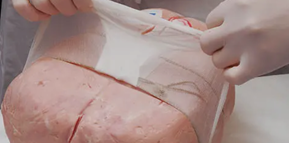
Australian meat processors operate in demanding conditions where hygiene, handling efficiency and product presentation are critical. From large processing facilities to specialised butchers, protecting carcasses after processing helps maintain quality through storage, transport and further handling. Premium stockinette bags provide a practical layer of protection, supporting clean, controlled carcass handling and helping processors meet high standards across the Australian meat industry. When selected correctly, they can also support a more consistent workflow, particularly where carcasses need protection from abrasion, contamination risks, and unnecessary handling.
Why Carcass Protection Matters in Australian Processing
Once a carcass has been processed, careful handling remains essential. Exposure to dust, dirt, moisture, and physical contact can compromise hygiene and affect the product’s condition during subsequent stages of the supply chain.
Australian processors also work across a wide range of environments, from major metropolitan facilities to regional operations. This makes dependable packaging and handling materials important for maintaining consistent practices across locations.
Premium stockinette bags can provide a protective covering around meat products while allowing processors to handle and move carcasses more efficiently.
Key Benefits of Stockinette Carcass Bags
Protection During Handling
Carcasses may be moved several times between processing, chilling, storage and transport. A suitable stockinette covering can help reduce direct contact with surrounding surfaces and minimise the risk of scuffing or abrasion.
This added protection is particularly useful when products are handled repeatedly or transported between different areas of a facility.
Support for Hygiene Practices
Good hygiene depends on an effective combination of cleaning procedures, temperature control, employee practices and appropriate equipment. Packaging materials form another part of that overall system.
Premium stockinette bags can help create a controlled physical barrier around individual carcasses or meat portions, supporting established sanitation procedures rather than replacing them. Processors should select products suitable for their intended application and compatible with their food-handling protocols.
Improved Product Presentation
The appearance and condition of meat products matter throughout the supply chain. A clean, intact covering can help products arrive in better condition and present a more professional appearance to customers and downstream businesses.
For processors supplying wholesalers, retailers, restaurants or butchers, consistent presentation can reinforce confidence in product handling.
Choosing the Right Material for the Job
Different meat-processing applications can require different specifications. When comparing cotton meat wrap bags, processors should consider factors such as size, construction, fit, durability and intended handling conditions.
Useful selection considerations include:
● Correct sizing: A suitable fit helps prevent unnecessary movement around the carcass.
● Durable construction: The material should withstand normal handling without tearing or stretching easily.
● Consistent quality: Uniform manufacturing helps support reliable processing routines.
● Application suitability: The bag should be appropriate for the specific meat product and handling process.
● Supplier reliability: Consistent availability can be important for processors managing regular production schedules.
Practical Considerations for Australian Meat Processors
Australian meat businesses need packaging solutions that fit into established workflows rather than create additional complexity. Before purchasing, processors should assess how bags are applied, removed, stored and disposed of within their operation.
It is also worth considering the conditions in which products will be handled, including chilled environments, transportation requirements and the distance between processing and final delivery. Choosing the right specification from the outset can help reduce avoidable handling problems.
Maintain Quality From Processing to Delivery
Carcass hygiene is not limited to a single stage of production. Every handling step can influence the condition of meat before it reaches the customer. Premium stockinette bags can be a valuable component of a broader approach to hygienic, efficient and controlled meat handling.
For Australian processors, choosing dependable carcass protection can enhance product quality while complementing existing food safety procedures. Speak with a specialist supplier today to identify stockinette and cotton meat wrap bag options suited to your processing requirements.
—
FAQs
1. What are stockinette bags used for?
Stockinette bags cover and protect carcasses or meat products during handling, storage, and transportation.
2. How do stockinette bags support meat hygiene?
They can provide a physical covering that helps reduce direct contact with surrounding surfaces and supports established hygienic handling procedures.
3. Are cotton meat wrap bags suitable for Australian processors?
They can suit applications that require a breathable protective covering, provided the product specification matches the processor’s handling and food-safety requirements.
4. What should processors consider when choosing stockinette bags?
Important factors include size, material, durability, construction, application requirements and supplier consistency.
5. Can stockinette bags improve meat presentation?
A clean, properly fitted covering can help protect meat products from unnecessary handling and abrasion, supporting a more consistent presentation through the supply chain.