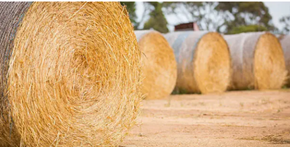
Australian summers can put enormous pressure on agricultural materials left outdoors. Strong sunlight, high temperatures and prolonged exposure to ultraviolet (UV) radiation can gradually weaken ordinary baler twine, creating problems when hay or fodder is stored for extended periods. For producers in high-UV areas such as the Riverina and Central West NSW, choosing twine designed for outdoor conditions can help protect bale integrity.
Understanding UV stabilisation is particularly important when bales are stored in open sheds, yards or paddocks. The right baler twine should retain its strength throughout handling and storage rather than becoming brittle after repeated exposure to sunlight.
Why UV Radiation Matters for Baler Twine
Most agricultural baler twine is manufactured from synthetic polymers. Although these materials are durable, prolonged UV exposure can degrade them. Over time, this may lead to fading, brittleness, reduced tensile strength and eventual breakage.
Australian conditions can make this issue more significant. Fodder producers in inland regions may experience long periods of intense sunlight, particularly during summer. If bales remain exposed before transport or during outdoor storage, poorly protected twine can deteriorate faster than expected.
UV degradation does not necessarily happen immediately. The risk increases with cumulative exposure, so UV protection matters when bales must remain secure for months.
What Is UV-Stabilized Baler Twine?
UV-stabilized baler twine contains additives designed to slow the damaging effects of ultraviolet radiation. These stabilisers help protect the polymer from degradation, allowing the twine to maintain its mechanical properties for longer under outdoor conditions.
When comparing UV-stabilised baler twine from Australian suppliers, producers should look beyond the basic claim of UV resistance. Product specifications, recommended applications and intended storage conditions can help determine whether a particular twine is appropriate for the job.
Key Factors to Consider
Before purchasing twine for Australian haymaking conditions, consider:
● UV stabilisation: Check that the product is specifically designed for outdoor agricultural use.
● Tensile strength: Stronger twine can provide greater security during baling, handling and transport.
● Bale type and density: Different balers and bale formats may require different twine specifications.
● Storage duration: Longer outdoor exposure increases the importance of UV protection.
● Local conditions: Inland areas such as the Riverina and Central West NSW can experience demanding summer conditions.
Choosing Twine for High-UV Regions
Selecting UV-stabilised baler twine products for Australia should be based on the conditions the bales will actually face. A producer storing fodder under cover has different requirements from one leaving finished bales outdoors for an extended period.
It is also worth considering the complete baling process. Correct baler settings, appropriate twine tension and proper knot formation all contribute to bale security. Even high-quality twine can fail prematurely if it is incorrectly installed or used outside its intended specifications.
For producers dealing with valuable fodder, checking the manufacturer’s technical information before purchase is a practical step. Product documentation can guide you on strength, UV treatment, and recommended applications.
Protecting Bales Beyond Twine Selection
UV-stabilized baler twine can help reduce the risk of sun-related degradation, but storage practices still matter. Where practical, storing bales under cover can reduce exposure to sunlight and weather.
Position bales to minimise unnecessary exposure, and inspect stored fodder periodically. Look for signs such as brittle twine, visible deterioration or loose bale structure, particularly where bales have spent significant time outdoors.
Make UV Protection Part of Your Baling Plan
For Australian fodder producers, selecting the right agricultural packaging solution is about more than securing a bale immediately after it leaves the baler. In high-UV regions, the product must also withstand the conditions it will encounter during storage and handling.
If your hay or fodder will be exposed to Australian summer sunlight, compare UV stabilisation, tensile strength and application requirements before ordering. Speak with an agricultural supply specialist about UV-stabilised baler twine options for Australia that suit your baling equipment and expected storage conditions.
—
FAQs
1. Why does UV exposure affect baler twine?
Prolonged UV exposure can degrade synthetic polymers, potentially making twine brittle and reducing its strength over time.
2. What is UV-stabilized baler twine?
It is twine manufactured with UV-stabilizing additives that help slow polymer degradation caused by sunlight.
3. Is UV-stabilized twine useful in Australia?
Yes. It can be particularly relevant where bales are exposed to strong sunlight for extended periods, including inland agricultural regions.
4. Does UV-stabilized twine eliminate the need for covered storage?
No. UV stabilisation helps improve resistance to sunlight, but covered storage can still reduce exposure to UV radiation and weather.
5. How should Australian producers choose baler twine?
Consider UV stabilisation, tensile strength, bale type, baler specifications, expected storage duration, and the conditions under which the bales will be stored.