
Category: Uncategorized

Baling Twine: Simplifying Hay Handling and Storage for Farmers

In the world of agriculture, where efficiency and resourcefulness are paramount, baling twine stands as a crucial tool in simplifying the complex processes of hay handling and storage for farmers. Paired with silage wrap, its importance becomes even more pronounced, revolutionising the way farmers preserve and utilise forage. This article explores the indispensable role of SilageWrap baling twine in streamlining hay management practices, ensuring optimal preservation, and maximising the efficiency of farm operations.

The Significance of Baling Twine:
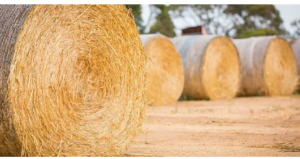
SilageWrap baling twineAs the essential component of hay baling operations, baling twine, which is often referred to as baler twine or hay twine, plays a pivotal role. The structural support that is required to transform collected feed into compact bales is provided by baling twine, which is made out of long-lasting materials like polypropylene or sisal. Both its high tensile strength and its flexibility make it possible for farmers to safely bind bales of varied sizes, which in turn makes it easier for them to handle and transport. Baling hay would not only be inconvenient but also impossible if baling twine were not available. It would result in substantial inefficiencies in farm operations.

Integration with Silage Wrap:

Silage wrap, a plastic film typically made from polyethylene, is commonly used in conjunction with baling twine to enhance forage preservation. While baling twine provides the initial structural support for hay bales, silage wrap serves as a protective barrier, sealing the bales and shielding them from environmental factors such as moisture, air exposure, and microbial activity. Together, silage wrap and baling twine create a synergistic system that extends the shelf life of forage, ensuring its freshness and nutritional quality for prolonged periods.

Preservation of Nutritional Value:

One of the primary objectives of utilising SilageWrap baling twine is to preserve the nutritional value of harvested forage. After baling, forage undergoes a natural process of fermentation, which can lead to nutrient loss if not properly managed. Silage wrap acts as a barrier, preventing oxygen from penetrating the bales and inhibiting the growth of harmful microorganisms. This anaerobic environment promotes the preservation of essential nutrients, such as proteins and carbohydrates, ensuring that livestock receive high-quality feed throughout the year.

Optimising Storage Efficiency:

Efficient storage is crucial for maximising the utilisation of available space and minimising losses due to spoilage. Silage wrap and baling twine play key roles in optimising storage efficiency by creating compact, uniform bales that are easy to stack and store. The airtight seal provided by silage wrap prevents moisture ingress and reduces the risk of mould growth, thereby extending the shelf life of stored forage. Additionally, the structural integrity imparted by baling twine ensures that bales retain their shape and strength, even when stacked in tight spaces.

Streamlining Handling and Transportation:

Baling twine not only facilitates the initial baling process but also streamlines the handling and transportation of hay bales. Its robust construction allows farmers to securely bind bales, preventing them from unravelling or becoming damaged during transit. This reliability is especially important when transporting hay over long distances or rough terrain, where bales are subjected to various external forces. By providing a stable and secure packaging solution, baling twine ensures that forage reaches its destination in optimal condition, ready for storage or feeding.

Environmental Sustainability:

In addition to its practical benefits, the use of silage wrap and baling twine contributes to environmental sustainability in agriculture. By preserving forage effectively, farmers reduce the need for additional feed production, thereby conserving resources and minimising waste. Furthermore, many types of baling twine are recyclable, allowing farmers to minimise their environmental footprint by reusing or repurposing materials. This commitment to sustainability not only benefits the environment but also promotes the long-term viability of agricultural operations.

Conclusion:

In conclusion, baling twine, especially when integrated with silage wrap, plays a vital role in simplifying hay handling and storage for farmers. Together, SilageWrap baling twine forms a synergistic system that optimises forage preservation, streamlines farm operations and promotes environmental sustainability. By recognising the importance of baling twine and harnessing its potential in conjunction with silage wrap, farmers can ensure the availability of high-quality feed for their livestock while maximising efficiency and minimising waste in agricultural production.

Rubbish Dumps Adelaide: The Hidden Impact of Rubbish Dumps on Local Ecosystems

Rubbish dumps, often referred to as landfills, are an integral part of modern waste management systems. However, their impact on local ecosystems is profound and often underappreciated. These sites, where our everyday waste is discarded, have far-reaching consequences that significantly extend beyond their immediate vicinity, affecting soil, water, air quality, and the biodiversity of surrounding areas.

Soil Contamination and Degradation

rubbish dumpsOne of the most significant impacts of rubbish dumps is soil contamination. As waste decomposes, it releases a variety of harmful substances, including heavy metals, chemicals, and organic pollutants. These contaminants can leach into the soil, altering its composition and reducing its fertility. This process, known as leachate generation, can render the soil toxic, making it unsuitable for plant growth and harming microorganisms crucial for soil health.

Heavy metals like lead, cadmium, and mercury are particularly concerning. They can accumulate in the soil, posing long-term risks to plants and animals. These metals are taken up by plants, entering the food chain and potentially leading to biomagnification, where the concentration of toxins increases higher up the food chain, affecting predators, including humans.

Water Pollution

Leachate not only contaminates soil but can also infiltrate groundwater, posing severe risks to local water supplies. Groundwater contamination from rubbish dumps can lead to the significant presence of toxic substances in drinking water, affecting the health of local communities. Polluted water sources can also have devastating effects on aquatic ecosystems.

Surface water bodies, such as rivers and lakes, are not immune to the impacts of rubbish dumps. Runoff from landfill sites, particularly during heavy rains, can carry pollutants into these water bodies. It can result in eutrophication, where an excess of nutrients leads to overgrowth of algae and subsequent depletion of oxygen in the water, causing fish kills and loss of aquatic biodiversity.

Air Pollution and Greenhouse Gas Emissions

Rubbish dumps are significant sources of air pollution. As organic waste decomposes anaerobically (without oxygen), it produces methane, a potent greenhouse gas that significantly contributes to climate change. Methane is approximately 25 times more effective at trapping heat in the atmosphere compared to carbon dioxide over 100 years. The release of methane from landfills is a major environmental concern, contributing to global warming and climate-related issues.

In addition to methane, rubbish dumps can emit other harmful gasses, including volatile organic compounds (VOCs) and hydrogen sulphide. These gasses can contribute to poor air quality, causing serious respiratory problems and other health issues for nearby residents. The odour from landfill sites can also be a significant nuisance, hugely affecting the quality of life for those living in proximity.

Impact on Wildlife and Biodiversity

Rubbish dumps can have devastating effects on local wildlife. Animals, attracted by the availability of food, often forage in and around landfill sites. It can lead to ingestion of toxic substances, causing health problems or death. Birds, in particular, are frequently seen scavenging at dumpsites, where they can ingest plastic and other harmful materials, leading to injury or death.

Moreover, rubbish dumps can disrupt local habitats. The physical presence of a landfill alters the landscape, often leading to habitat destruction and fragmentation. It can displace wildlife, forcing them to move to less suitable areas, increasing competition for resources and reducing biodiversity.

Mitigating the Impact of Rubbish Dumps

Addressing the environmental impact of rubbish dumps requires a multi-faceted approach. Enhanced waste management practices, such as increased recycling and composting, can reduce the amount of waste that ends up in landfills. Implementing stricter regulations and monitoring of landfill sites can help control leachate and gas emissions.

Technological advancements offer promising solutions. Modern landfill designs, such as sanitary landfills, incorporate liners and leachate collection systems to minimise soil and water contamination. Methane capture technologies can convert landfill gas into energy, reducing greenhouse gas emissions and providing a renewable energy source.

Community involvement and education are also crucial. Public awareness campaigns can promote waste reduction, reuse, and recycling efforts. Local communities can advocate for better waste management policies and practices, ensuring that environmental concerns are addressed.

Conclusion

Rubbish dumps, while necessary for waste management, have hidden and far-reaching impacts on local ecosystems. Soil and water contamination, air pollution, and threats to wildlife and biodiversity highlight the need for improved waste management practices. By adopting sustainable approaches and leveraging technological innovations, we can mitigate these impacts, protecting our environment and ensuring healthier ecosystems for future generations. The challenge is significant, but with concerted effort and awareness, we can turn the tide on the environmental legacy of rubbish dumps.

Wedding Party Hire Adelaide: The Ultimate Guide

Planning a wedding is an exciting yet challenging task, and one of the most crucial aspects is ensuring that you have everything you need for a perfect celebration. If you’re getting married in Adelaide, you’re in luck! The city offers an array of wedding party hire services that can cater to every detail of your big day. For more information about the wedding party hire, click here.

Why Opt for Wedding Party Hire in Adelaide?

wedding party hireChoosing wedding party hire services in Adelaide comes with numerous benefits:

  • Convenience: Hiring professionals for your wedding means you can relax and enjoy your day without worrying about the setup or cleanup.
  • Variety: Adelaide boasts a diverse range of wedding hire companies, offering everything from vintage cars and luxury marquees to elegant table settings and floral arrangements.
  • Expertise: Local wedding hire companies are familiar with the best venues and vendors in Adelaide, ensuring seamless coordination and execution.

Key Services Offered by Wedding Party Hire Companies

Venue Hire

The first step in wedding planning is selecting the perfect venue. Adelaide offers a variety of breathtaking locations, from beachfront properties to rustic vineyards. Wedding party hire companies often have partnerships with these venues, providing you with exclusive deals and ensuring the setup aligns with your vision.

Marquee and Tent Hire

Marquee and tent hire is a popular choice for outdoor weddings. These structures provide shelter and can be decorated to match your theme. Adelaide’s wedding hire companies offer a range of options, from classic white marquees to transparent tents that allow you to enjoy the night sky. For more information about the wedding party hire, click here.

Furniture and Decor

Transforming a venue into your dream wedding location requires the right furniture and decor. From elegant chairs and tables to luxurious linens and centrepieces, wedding party hire services in Adelaide can provide everything you need. They also offer bespoke decor services to personalise your wedding.

Lighting and Sound

The proper lighting and sound setup can enhance the atmosphere of your wedding. Professional hire companies offer a range of options, including fairy lights, chandeliers, and state-of-the-art sound systems.

Catering Equipment

If you’re planning a DIY catering setup, you’ll need to hire catering equipment. It includes everything from ovens and fridges to cutlery and glassware. Wedding hire companies in Adelaide can supply high-quality catering equipment to ensure your guests enjoy a delicious meal.

Top Wedding Party Hire Companies in Adelaide

Here are some of the best wedding party hire companies in Adelaide, known for their exceptional service and extensive inventory:

  • Modern Party: Known for its contemporary and stylish inventory, Modern Party offers a range of furniture, decor, and marquee hire options. Their attention to detail and quality service make them a favourite among Adelaide couples.
  • Olympic Party Hire: With over 30 years of experience, Olympic Party Hire provides everything from marquees and furniture to catering equipment and decor. Their vast inventory and professional service ensure a seamless wedding experience.
  • Festival Hire: Specialising in weddings and significant events, Festival Hire offers a comprehensive range of hire services, including marquees, lighting, and furniture. Their expertise and personalised service make them a top choice for Adelaide weddings.
  • White Marquee: This company offers elegant and sophisticated wedding hire solutions. From stunning marquees to exquisite table settings, White Marquee ensures your wedding is both beautiful and memorable.

Tips for Choosing the Right Wedding Party Hire Service

When selecting a wedding party hire service in Adelaide, consider the following tips:

  • Research and Reviews: Look for companies with positive reviews and a strong reputation. Personal recommendations and testimonials can also provide valuable insights.
  • Visit Showrooms: If possible, visit showrooms to see the quality of their products firsthand. It can help you make informed decisions about what to hire.
  • Packages and Deals: Many hire companies offer packages that can save you money. Compare different packages to find the best deal for your budget.
  • Book Early: Popular hire services can get booked up quickly, especially during peak wedding season. Secure your hire needs well in advance to avoid disappointment.

Conclusion:

Adelaide’s wedding party hire industry is well-equipped to make your wedding day unforgettable. By choosing the right hire services, you can ensure every detail is perfect, allowing you to relax and enjoy your special day.

Kite Foiling: Riding the Waves of Adventure

Kite foiling, a thrilling watersport that combines the exhilaration of kiteboarding with the grace of hydrofoiling, has been taking the world by storm. New Zealand, with its stunning coastline and ideal wind conditions, emerges as a premier destination for kite-filing enthusiasts seeking the ultimate adrenaline rush. In this article, we delve into the allure of kite foiling in New Zealand, exploring its top spots, ideal conditions, and why it’s a must-try experience for adventure seekers. For a kite foiling tutorial, check this out.

Discovering the Thrill of Kite Foiling

kite foiling tutorialKite foiling, also known as hydrofoil kiteboarding, involves riding a kite while being propelled above the water’s surface on a hydrofoil board. This innovative combination offers an unparalleled sensation of flying over the waves, providing an unmatched sense of freedom and excitement. With New Zealand’s diverse coastal landscapes and consistent wind patterns, kite foiling enthusiasts are presented with a playground of endless possibilities.

Prime Locations for Kite Foiling

New Zealand boasts a myriad of breathtaking locations ideal for kite-foiling adventures. From the rugged beauty of the South Island to the pristine beaches of the North Island, there’s no shortage of spots to explore.

  • Tauranga: Located in the Bay of Plenty region, Tauranga offers stunning beaches and consistent winds, making it a haven for kite foilers of all skill levels. With its shallow waters and gentle swells, it provides the perfect environment for beginners to hone their skills while offering ample challenges for seasoned riders.
  • Auckland’s West Coast: The wild and rugged beaches along Auckland’s west coast are renowned for their strong winds and rolling surf, providing an adrenaline-fueled playground for experienced kite foilers. From Muriwai Beach to Piha, riders can experience the thrill of carving through the waves while being propelled to new heights by the wind. For quality wing foiling boards, check this out.
  • Queenstown: Nestled amidst the majestic Southern Alps, Queenstown offers a unique kite foiling experience against the backdrop of snow-capped peaks and crystal-clear lakes. With its unpredictable winds and ever-changing conditions, it presents a thrilling challenge for adventurous riders seeking a one-of-a-kind experience.

Ideal Conditions for Kite Foiling

New Zealand’s diverse climate and geographic features create a wide range of conditions suitable for kite foiling throughout the year. While the sport can be enjoyed in various weather conditions, certain factors enhance the overall experience:

  • Wind: Consistent wind patterns, particularly during the summer months, provide optimal conditions for kite foiling. The prevailing westerly winds along the coastlines offer steady propulsion, allowing riders to glide effortlessly across the water.
  • Water Depth: Shallow, flat waters are ideal for beginners learning to kite foil, while deeper waters with rolling swells offer more challenging conditions for advanced riders looking to push their limits.
  • Safety: Prioritising safety is paramount when engaging in kite foiling. Familiarising oneself with local regulations, wind forecasts, and tide patterns ensures a safe and enjoyable experience on the water.

Why Kite Foiling in New Zealand is Unmatched

  • Spectacular Scenery: From rugged coastlines to pristine beaches, New Zealand’s breathtaking scenery provides a stunning backdrop for kite-filing adventures, offering riders a feast for the senses at every turn.
  • Year-Round Accessibility: With its temperate climate and diverse geography, New Zealand offers year-round accessibility for kite-filing enthusiasts, allowing riders to indulge in their passion regardless of the season.
  • Thrilling Challenges: Whether navigating through choppy seas or harnessing the power of strong winds, kite foiling in New Zealand presents riders with a myriad of challenges that test their skills and push them to new heights of excitement. For quality wing foiling boards, check this out.

Conclusion:

Kite foiling in New Zealand offers an unparalleled adventure for enthusiasts seeking the ultimate adrenaline rush. With its diverse coastal landscapes, consistent wind patterns, and stunning scenery, New Zealand emerges as a premier destination for kite foiling enthusiasts from around the globe. Whether you’re a seasoned rider or a beginner looking to embark on a new adventure, kite foiling in New Zealand promises an experience like no other, where the thrill of the ride is matched only by the beauty of the surroundings. So, pack your gear, harness the wind, and prepare for the ride of a lifetime in the land of the long white cloud.